
Before Brisbane’s storm season, pay attention to changing wall cracks, a sagging roofline, deteriorating deck supports and water collecting near your home’s footings. These observations can help you identify where maintenance or professional assessment is needed. A visual check alone cannot establish whether a building is structurally safe.
Perhaps a bedroom door has started sticking, a ceiling stain keeps returning, or a crack you repaired has opened again. Record those changes and investigate the cause before leaving them behind another coat of paint.
Why October Is a Useful Time to Check Your Brisbane Home
The Bureau of Meteorology identifies September to March as the peak period for severe thunderstorms across Australia. Severe storms can bring damaging winds, large hail and heavy rainfall that causes flash flooding.
In Brisbane, Council’s emergency preparedness guidance identifies October to March as storm season for its seasonal sandbag arrangements. It also recommends maintaining roofs, gutters and downpipes and securing loose outdoor items.
For homeowners in Brisbane, Ipswich, Logan and Moreton Bay, a useful preparation task is to review unresolved building concerns. The same checklist will not reveal every property’s risks: construction type, previous alterations, maintenance history and site conditions all matter.
Make Get Ready Queensland Week a Prompt for Action
Get Ready Queensland Week 2026 runs from Monday 5 October to Sunday 11 October. The statewide initiative encourages households and communities to prepare for extreme weather and disasters.
Use the week to organise outstanding maintenance, update your household emergency plan and collect information about building defects you have already noticed. You do not need to wait for a severe weather warning to arrange a contractor or ask an engineer about a changing crack.
Five Areas to Review Before Heavy Rain
Make observations from safe, accessible locations in calm weather. Leave roof access, concealed structural checks and potentially unstable areas to suitable professionals. WorkSafe Queensland’s roof and ceiling-space guidance highlights fall and electrical hazards associated with these areas.
1. Roof Sagging and Recurring Ceiling Problems
From ground level, note any visible dips or changes in the roofline. Indoors, record recurring ceiling stains, cracking or changes in ceiling shape. A stain may relate to a leak; a distorted ceiling or roofline may require a different investigation. Appearance alone does not establish the cause.
A roofing contractor can investigate roof coverings and weatherproofing. Where the concern involves sagging, altered framing or load-bearing supports, an engineering assessment may be appropriate. Ostanes Engineering’s roof structural assessment service examines structural framing and associated concerns.
A visibly bulging or rapidly changing ceiling needs prompt attention. Keep people away from the affected area and seek professional advice rather than attempting to inspect above it yourself.
2. Changing Cracks and Distortion Around Openings
Photograph cracks that are new, widening or returning after repairs. Note whether doors and windows have also become difficult to operate, or whether gaps have appeared between building elements.
The QBCC’s subsidence guidance explains that uneven ground movement can cause building cracks and that changes in soil moisture can contribute to movement. This does not mean every crack indicates a foundation problem.
Crack width alone cannot establish a building’s safety. Location, progression and associated symptoms matter. A structural crack and movement assessment can investigate the evidence and identify appropriate next steps.
3. Water Collecting Near Footings or Beneath the House
Review what happened during previous rainfall: did water collect beside the house, discharge from a damaged downpipe or remain beneath an elevated floor? Record the location and any recent landscaping changes.
QBCC recommends maintaining drainage and addressing water leaks that can affect footings. Its guidance also advises directing drainage away from your home and neighbouring properties.
A drainage concern may require a plumber or drainage specialist. Where it occurs alongside building movement, discuss whether engineering input is also needed. Ask for advice before changing ground levels or excavating beside footings.
4. Deteriorating Deck and Balcony Components
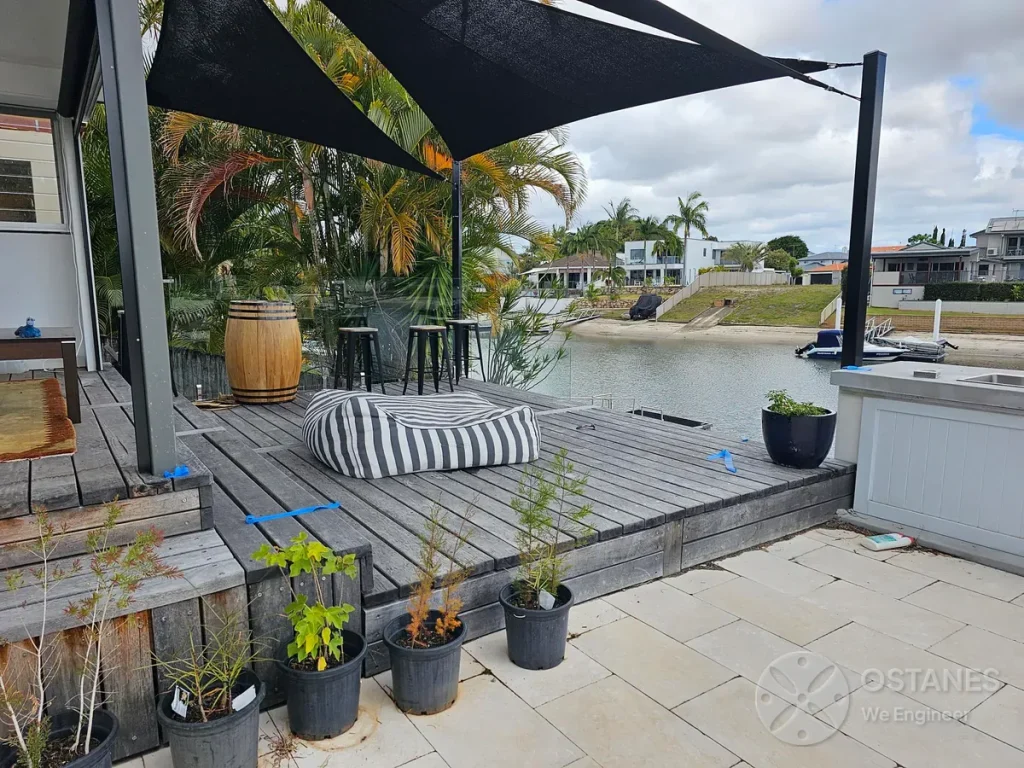
For an elevated deck or balcony, consider the supporting structure as well as the surface boards. The Queensland Government’s inspection guidance recommends checking decks at least annually and identifies concerns including decaying timber, corrosion, unstable balustrades and damaged fixings.
Its checklist also covers post brackets, bracing, bearers, joists and balustrade attachment points. Some important components are concealed, so a homeowner’s observations may leave substantial gaps.
If you notice deterioration or unexpected movement, restrict access and arrange an appropriate inspection. Do not test a questionable deck by gathering people on it or deliberately bouncing on the boards.
5. Retaining Wall Changes and Drainage Concerns
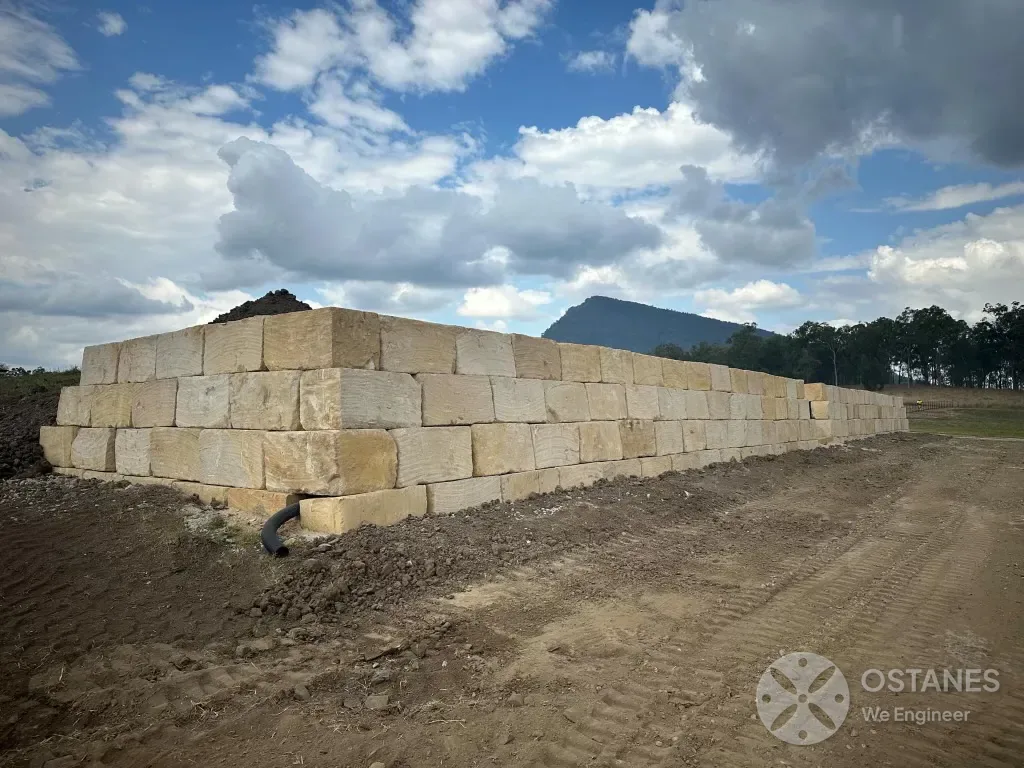
From a safe location, record changes such as new cracking, bulging, increased leaning or erosion around a retaining wall. Include any history of water collecting behind or above it.
Fraser Coast Regional Council’s retaining wall guidance explains that drainage is an important part of construction and that most retaining walls need subsoil drainage to relieve water pressure.
Visible drainage outlets do not confirm that the whole system works properly. Where the wall appears to be moving, seek advice before digging behind it, removing components or adding loads above it.
Do You Need a Contractor or a Structural Engineer?
The next step depends on the concern. A blocked gutter, suspected plumbing leak and distorted load-bearing member require different expertise. Describe the observed problem when requesting help, rather than choosing a repair method before the cause has been investigated.
| Observed concern | Suggested starting point |
|---|---|
| Blocked gutters, damaged roof coverings or a suspected leak | A suitably qualified contractor for the affected system |
| Changing cracks, structural distortion or deteriorating supports | A structural engineer to assess significance and next steps |
| Rapid movement, falling material or an apparent risk of collapse | Keep clear; call 000 if there is immediate danger to people |
For engineering advice, engage an appropriately registered professional with relevant structural experience. BPEQ explains Queensland’s RPEQ registration requirements, including the exceptions for work under direct RPEQ supervision or to a prescriptive standard.
For unresolved structural concerns, Ostanes Engineering’s structural inspection services provide an assessment of observed defects and recommendations for further investigation or action.
A Practical Before-Storm Checklist
- Record existing defects with dated photographs taken from safe locations.
- Write down when you first noticed each issue and whether it has changed.
- Gather previous inspection reports, repair records and renovation drawings.
- Arrange outstanding roof, gutter and drainage maintenance.
- Seek advice about changing cracks, distorted structures or deteriorating supports.
- Check official weather alerts and update your household emergency plan.
When photographing a defect, take a wider image showing its location and a closer image showing the detail. Include a scale where you can do so safely. Photographs help communicate observations, but they cannot reveal every concealed defect or confirm the cause.
When a Warning Is Issued, Prioritise Safety
Get Ready Queensland notes that severe thunderstorms can develop quickly and detailed warnings may provide limited lead time. Use that time to follow official instructions and your household emergency plan.
Do not start a roof inspection or approach a questionable structure as a storm arrives. If a building component moves suddenly, material falls or collapse appears possible, keep people away. Call 000 where there is immediate danger to people.
Before severe weather is forecast, send your dated photographs, observations and available building records to the relevant professional. Ask what needs attention, whether access should be restricted and what further inspection is required.
