Structural Crack & Movement Report
Cracks appearing in walls, ceilings or slabs, uneven floors, separation between building elements or changes around doors and windows can indicate that a building has moved.
Ostanes Engineering investigates the visible evidence, assesses the structural significance of the cracking or movement, and provides an engineering report with clear findings and recommended next steps.
Understand Why Your Building Is Cracking or Moving
We evaluate wall cracks, floor distortion, and foundation movement as part of a complete structural system. Our assessment establishes whether observed cracking represents active distress, historical settlement, or cosmetic shrinkage.
Wall & Masonry Cracking
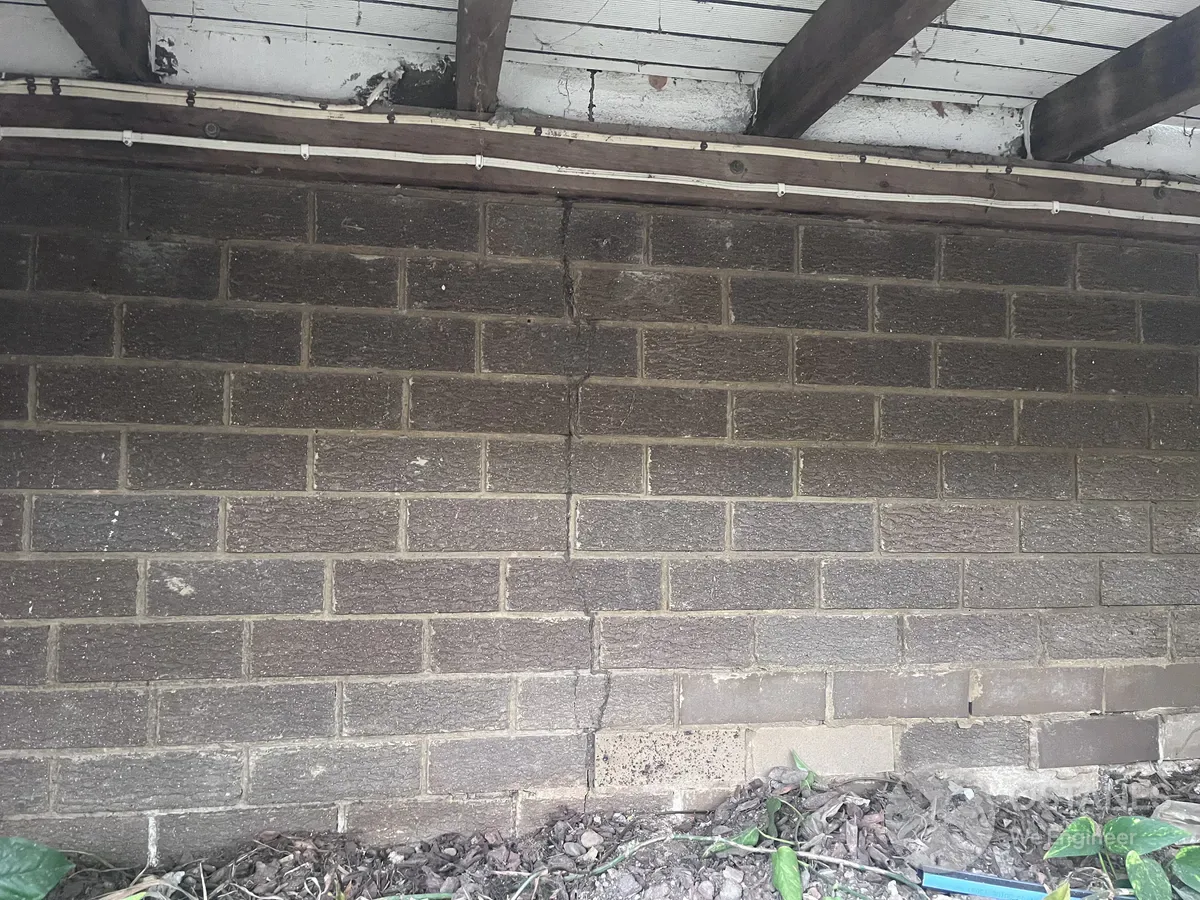
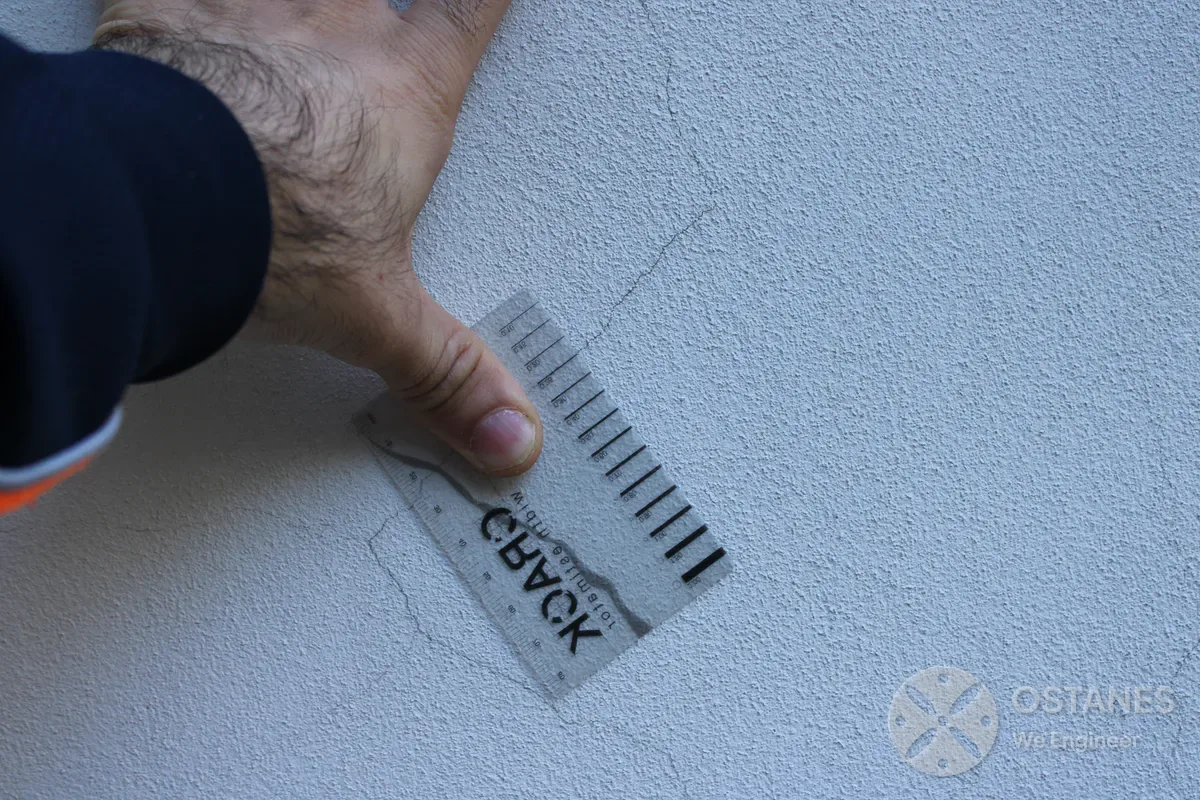
Recording diagonal, stepped, and horizontal cracking in brickwork, blockwork, and plasterboard to map structural movement patterns.
Slabs & Foundations
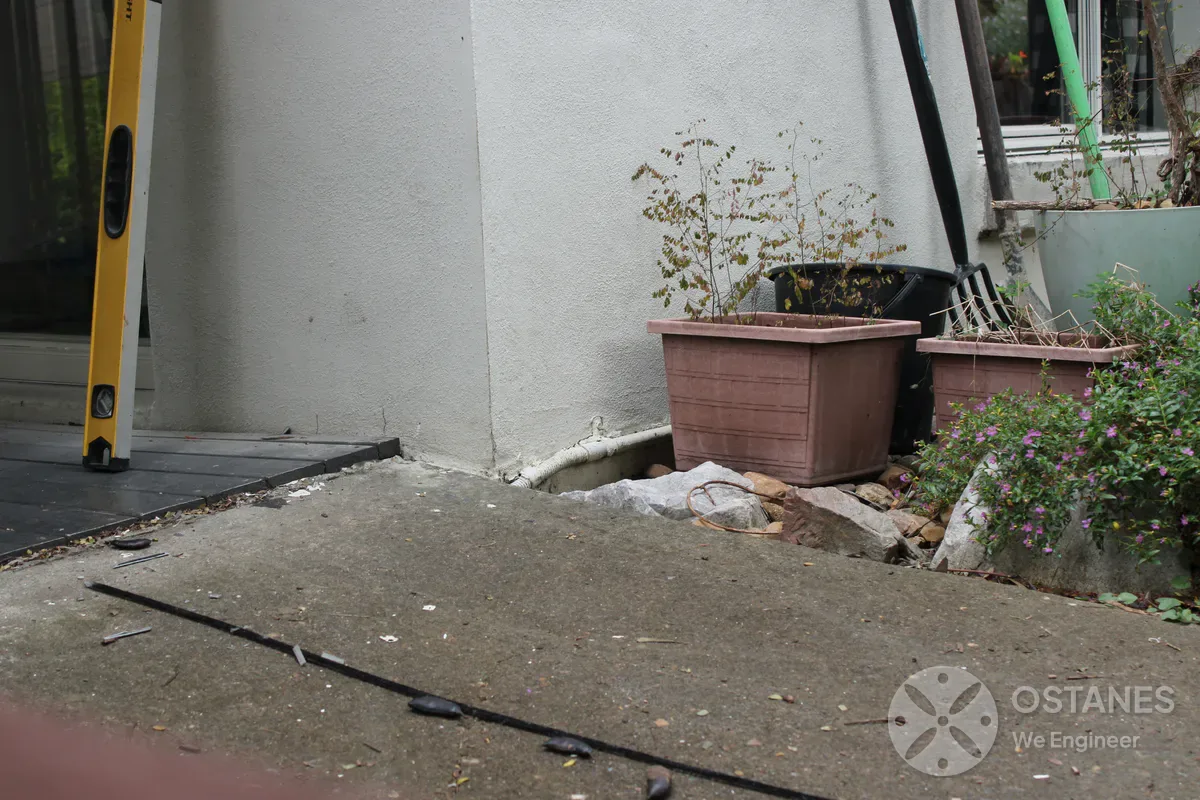
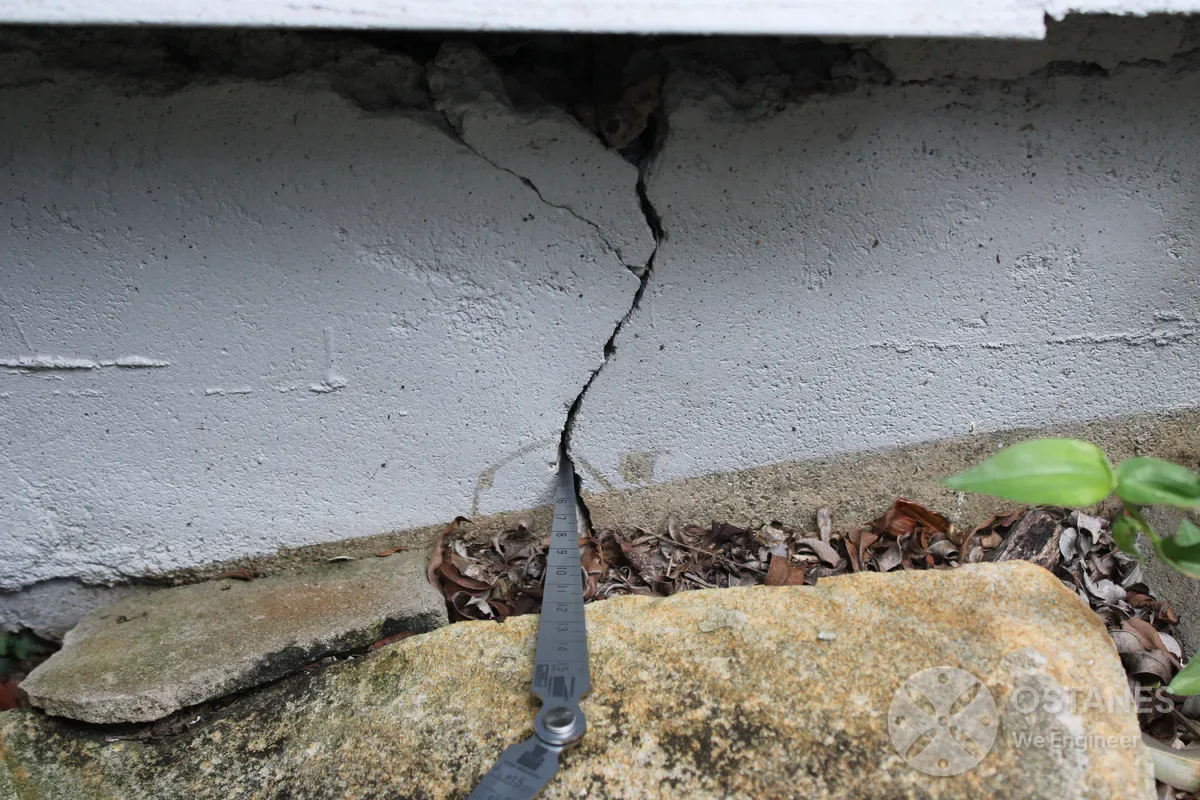
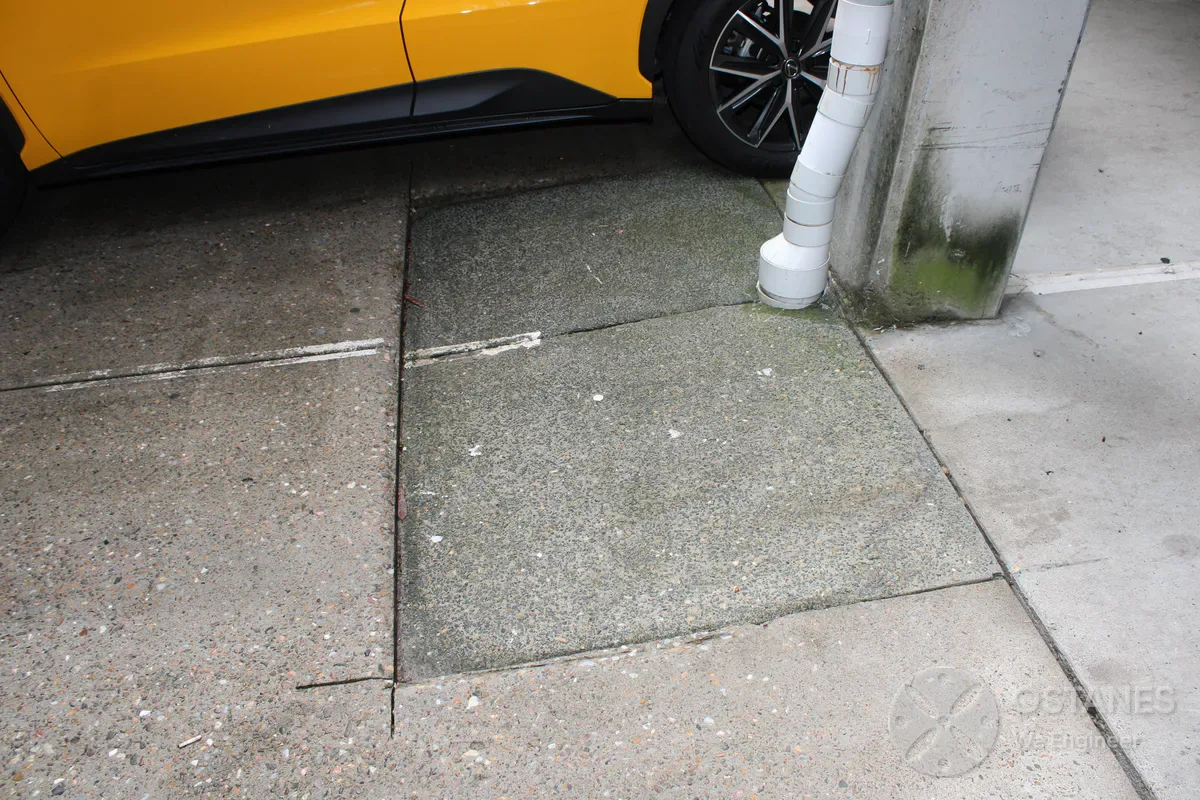
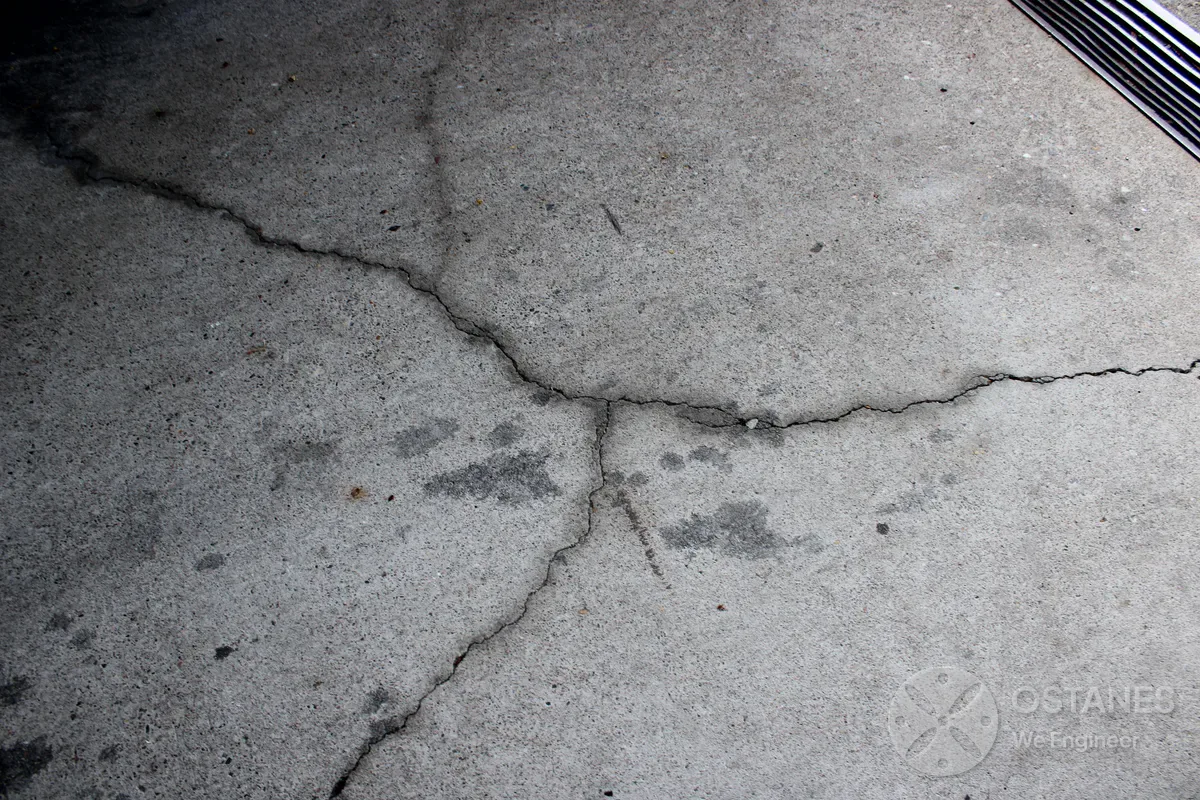
Investigating concrete slab cracking, footing settlement, soil shrink-swell movement (AS 2870), and underpinning adequacy.
Floors & Level Variation
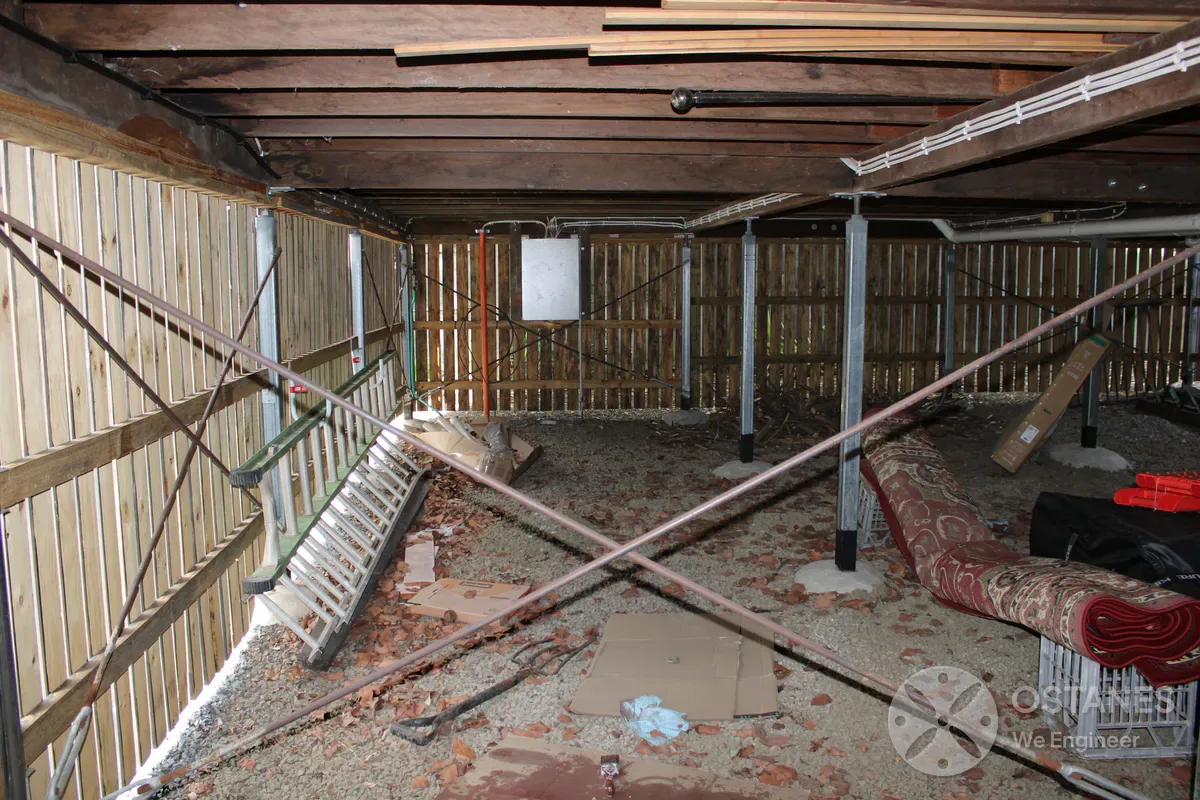
Assessing sloping timber floors, bearer deflection, subfloor stump movement, and differential level changes across rooms.
Beams, Columns & Load Paths
Evaluating altered lintels, inadequate support posts, concentrated point loads, and beam deflection under permanent load.
Roof & Ceiling Interaction
Checking ceiling separation, roof truss spreading, compromised tie-down fixings, and load transfer into perimeter walls.
Site Drainage & Moisture
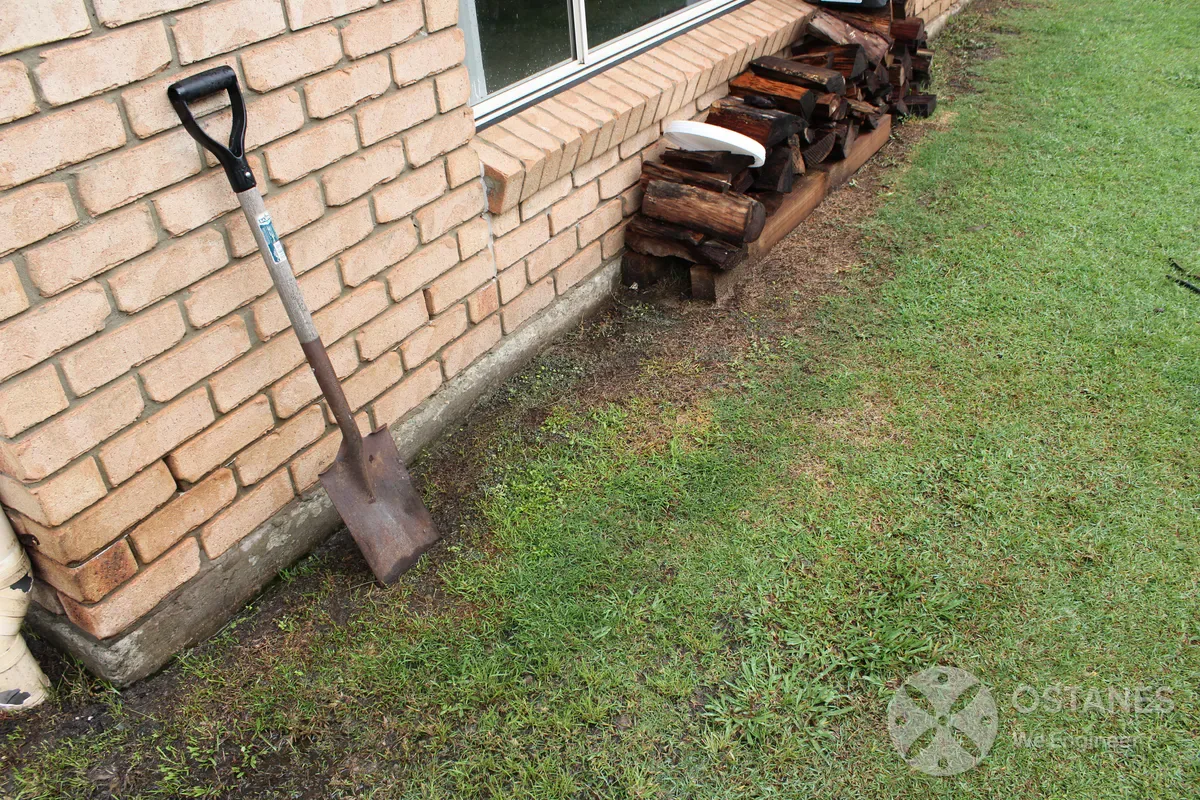
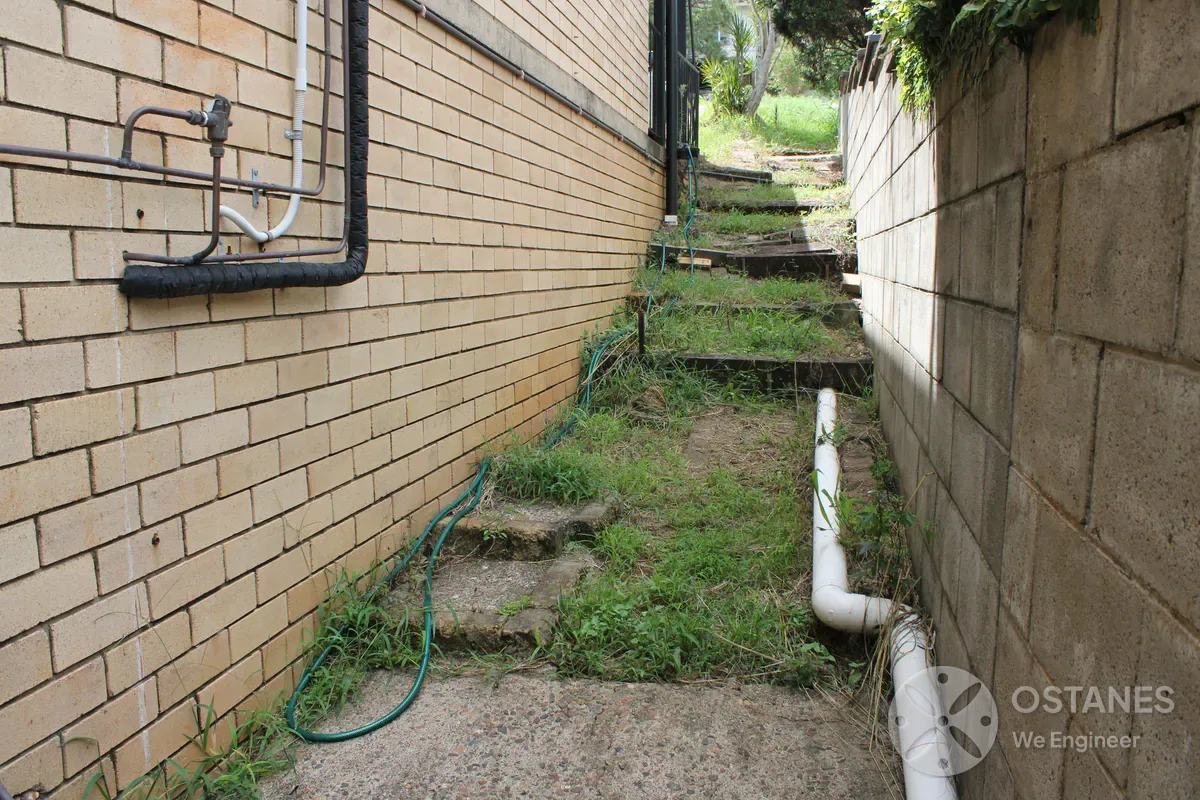
Examining surface run-off, plumbing leaks, reactive soil moisture changes (QBCC subsidence guidance), and foundation erosion.
When Should You Arrange a Crack & Movement Assessment?
Cracks Appearing or Widening
New cracks appearing or existing cracks widening over time indicate active building movement requiring engineer assessment.
Stepped Masonry Cracking
Diagonal stair-step cracks travelling through brick mortar joints pointing to differential foundation subsidence or heave.
Sticking Doors & Windows
Doors and windows becoming jammed or out of square when combined with wall cracks may indicate framing distortion or movement.
Sloping or Uneven Floors
Noticeable dips, floor slopes, or bouncy timber joists indicating foundation settlement or compromised floor bearers.
Gaps & Wall Separation
Separation developing between walls and ceilings, around cornices, or at extension interfaces indicating relative movement.
Cracks Returning After Repairs
Cracks reopening after cosmetic plaster patching or repointing may indicate ongoing movement, which an engineer can assess.
Our Structural Crack & Movement Assessment Process
1. Initial Review
Provide property photos, history of cracking, and any previous repair notes. We review the scope and confirm fixed engineering inspection pricing.
2. On-Site Inspection
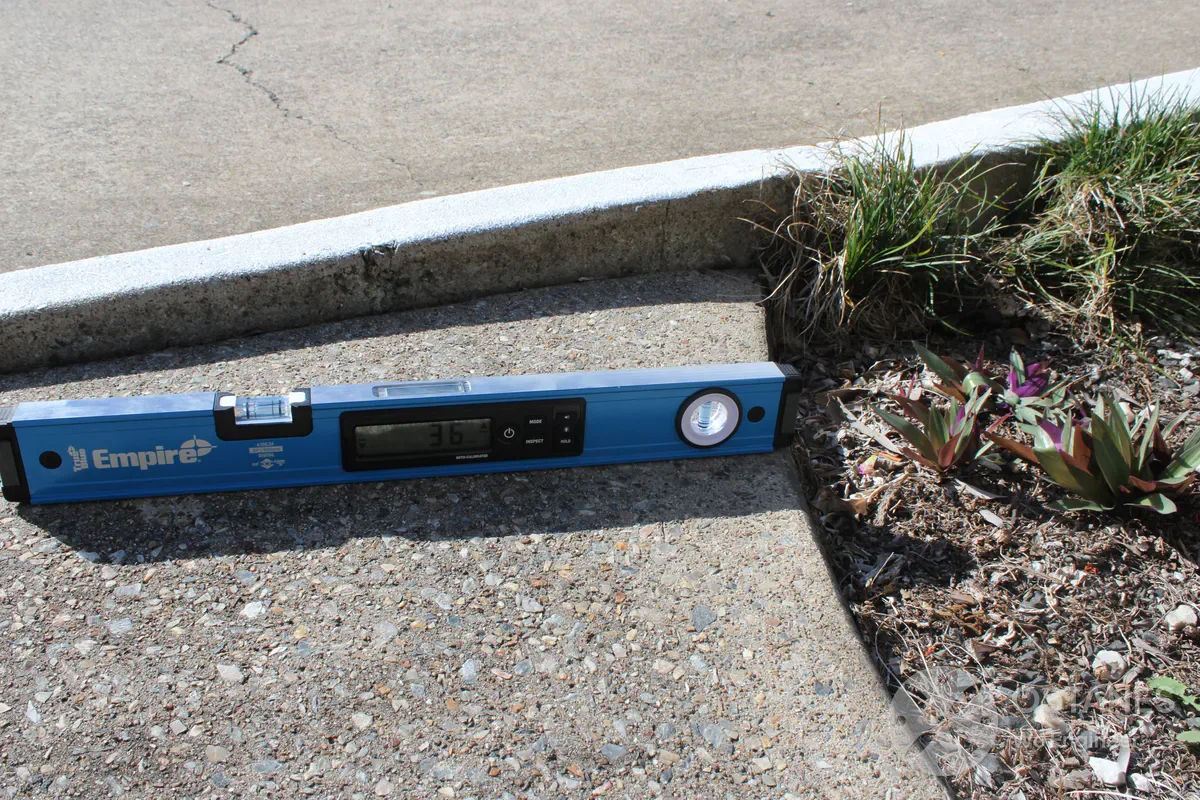
An RPEQ structural engineer measures crack widths, checks floor levels, assesses foundation movement, and inspects structural load paths.
3. Report & Recommendations
Receive a comprehensive structural report detailing photographic evidence, probable movement mechanisms, monitoring needs, or remedial design scopes.
Areas We Serve
Ostanes delivers expert structural engineering inspections and comprehensive engineering reports across Southeast and regional Queensland. Our engineers account for reactive clay soils (AS 2870), sloping terrain settlement, timber-framing condition (AS 1684 concerns timber-framed construction; pest inspections are separate), and building code compliance across the state. We provide dedicated property inspection services across all major metropolitan and regional areas, including:
Related Structural Inspection Services

Engineer-led pre-purchase structural inspections of cracks, movement, foundations and unapproved renovations before you commit.

Expert assessment of roof truss deflection, modified rafters, solar panel loads, and cyclone tie-downs.

Pre-construction baseline photographic records of neighbouring buildings, driveways, and council infrastructure.

In-depth structural failure analysis, expert witness reporting, and root-cause engineering diagnostics.

Independent storm, impact, flood, and fire structural assessments for insurance claim scopes.

Engineering repair design, underpinning drawings, beam sizing, and RPEQ Form 15 certifications.
Looking for comprehensive defect assessments or forensic reporting? Explore our full Structural Inspection & Forensic Engineering Services →
What Clients Say
After the Report Lands


Structural Crack & Movement Report FAQs
No. Wall cracking can result from thermal expansion, normal plasterboard shrinkage, or framing settling. Foundation movement is only one possibility that our engineers evaluate alongside crack direction, aperture, and building level variations.
Assessment is recommended for diagonal stepped masonry cracks, cracks wider than 2 mm, cracks that have reopened after patching, or cracking accompanied by jammed doors and sloping floors.
Visible fracture freshness and displacement provide initial indicators. Where movement over time needs to be formally tracked, we install calibrated crack monitoring tell-tales or recommend level survey checks.
Common mechanisms include highly reactive clay soils expanding and contracting with seasonal moisture changes (AS 2870), poor surface drainage, leaking underground pipes, tree root moisture extraction, and subfloor stump deterioration.
Not always, but sticking doors combined with diagonal cracks above door heads and uneven floor levels strongly point to differential foundation movement.
Yes. We measure crack apertures, document location patterns, record relative level variations where appropriate, and photograph all significant defects for the engineering report.
The report provides an evidence-based engineering diagnosis of the probable movement mechanism and outlines any necessary geotechnical or drainage checks if further investigation is warranted.
Our report identifies the required remediation—such as underpinning, drainage remediation, or beam strengthening—and provides the engineering roadmap for subsequent structural design and Form 15 design certification.
Discuss Your Cracking or Building Movement
Send us the property location, photographs of the cracks, and details on when the movement was first observed. We will review your enquiry and provide a rapid, fixed-price engineering inspection quote.
- Phone: 0411 631 777
- Email:
- Service Coverage: Queensland-wide