
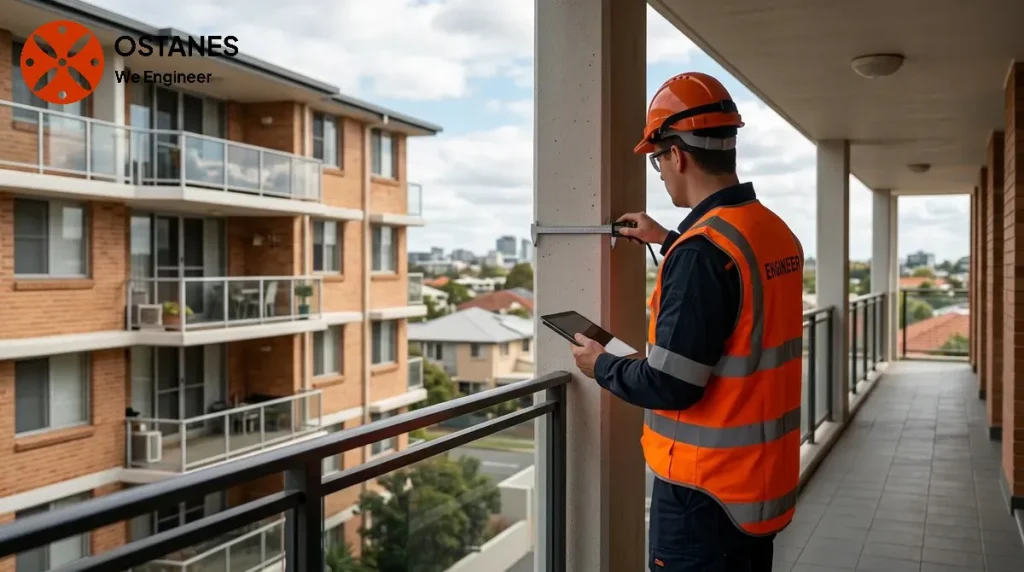
A special levy does not by itself establish a structural defect. Review the proposed works and supporting reports, and separate technical questions about the repair from financial and contractual advice.
Why a special levy can signal unresolved building issues
A special levy is typically raised by a body corporate to cover significant, unbudgeted expenses. These expenses can often stem from substantial building maintenance, repairs, or upgrades. If you are reviewing body corporate records, a special levy may indicate that the building has experienced, or is expected to experience, issues such as structural repairs, waterproofing failures, or other building defects. The purpose of a special levy is to fund these works, but its existence does not automatically prove a defect or establish liability.
Under the Body Corporate and Community Management Act 1997 (Qld), bodies corporate have obligations concerning the administration and maintenance of common property. Discussions around special levies in meeting minutes or correspondence can highlight areas of concern in a building’s condition. While a levy funds necessary work, it may also point to underlying issues that prompted the work in the first place, requiring further investigation into the nature and extent of those issues.
What a levy record can and cannot tell a buyer
Body corporate records, including levy notices, meeting minutes, and financial statements, offer insights into a building’s history and current status. They can identify past, ongoing, or proposed works funded by a special levy. For instance, minutes might detail discussions about rectifying concrete spalling or addressing persistent leaks. These documents are valuable for revealing that an issue has been identified and that the body corporate has decided to act.
However, these records alone do not provide a definitive assessment of the building’s physical condition. A levy decision indicates a financial commitment to address a problem, but it does not confirm the structural integrity of the building, the adequacy of past repairs, or guarantee the future absence of issues. While records can flag potential areas for concern and guide further investigation, they cannot substitute for a physical assessment of the property.
Records to request before buying an apartment
Before committing to an apartment purchase, a thorough review of body corporate records can help identify potential issues that may lead to future special levies. While access to all records may vary, as a prospective buyer, you might request the following categories of documents. As per Queensland housing guidance from the Qld Department of Housing, this process can help inform your decision-making:
- Special Levy Notices and Decisions: These documents detail the purpose, amount, and payment schedule of any special levies. They are crucial for understanding what works are being funded and their financial implications.
- Body Corporate Meeting Minutes: Minutes from annual general meetings (AGMs) and committee meetings can reveal discussions about building defects, maintenance issues, repair proposals, and decisions regarding significant expenditures. Look for recurring themes or unresolved matters.
- Defect and Waterproofing Reports: Any engineering, building defect, or waterproofing consultant reports commissioned by the body corporate can provide detailed technical assessments of specific issues within the building.
- Structural Reports: Reports from structural engineers concerning the building’s frame, foundations, or other critical structural elements are key indicators of the building’s integrity.
- Scopes of Proposed Work and Quotes: These documents outline the planned repairs or remediation efforts, offering insight into the nature and scale of the work intended to be funded by a special levy.
- Records of Completed Work and Certificates: Documentation of past repairs, including invoices, completion certificates, and any warranties, can help verify that works were carried out and to what standard.
- Correspondence about Unresolved Issues: Any ongoing communication regarding defects, complaints, or disputes related to building condition can signal unresolved problems that may lead to future costs.
What records may reveal about defects and repairs
Reviewing body corporate records can help piece together a history of the building’s condition and maintenance. Recurring mentions of issues such as concrete spalling, facade cracking, or persistent water ingress across multiple meeting minutes or reports may indicate systemic problems rather than isolated incidents.
For instance, records detailing repeated waterproofing investigations, even if followed by repairs, could suggest an ongoing challenge. Similarly, discussions about structural recommendations or a series of repair discussions for the same type of defect might point to an underlying issue that has not been fully resolved. Unresolved correspondence related to complaints about building condition can also be a red flag, indicating that identified problems are still pending action or remediation. These insights from the documentation are valuable for forming questions for further investigation, rather than for diagnosing the building’s condition remotely.
When records and physical evidence need technical review
Body corporate records need to be considered alongside the physical condition of the building. Incomplete records, recurring structural or waterproofing concerns, visible cracking, water ingress or movement may warrant a technical assessment. A standard building and pest inspection gives a general overview, but may not cover the structural analysis needed for complex issues raised in the records.
We often find that documented concerns, combined with visible evidence on site, benefit from an in-depth review by a qualified structural engineer. For a thorough evaluation of the building’s structural integrity and to understand the implications of any identified issues, you may consider a Pre-Purchase Structural Inspection. This type of inspection focuses specifically on the load-bearing elements and stability of the building, providing an informed technical perspective.
Can a buyer be responsible for a special levy after settlement?
A buyer can become responsible for a special levy after settlement, depending on the specific terms of the sale contract and the timing of the levy’s resolution by the body corporate. The precise legal implications depend on Queensland legislation and the specific circumstances of the levy. For definitive advice, consult with a legal professional.
Does a special levy prove that an apartment building has structural defects?
No, a special levy does not automatically prove a structural defect. While a levy may be raised to fund repairs for structural issues, it can also cover other major expenses like facade upgrades, roof replacements, or significant maintenance works that are not necessarily structural in nature. Its existence should prompt further investigation, not a definitive conclusion about structural integrity.
What should I request before buying an apartment with a special levy?
Before purchasing an apartment where a special levy is active or proposed, request all relevant body corporate documents. This includes the special levy notice, meeting minutes discussing the levy, any defect or structural reports that led to the levy, and records of quotes or scope of works for the funded repairs. The goal is to understand the purpose of the levy and the nature of the underlying issue.
Is a standard building inspection enough when body corporate records mention repairs?
A standard building inspection provides a general assessment of a property’s condition. However, if body corporate records mention specific, complex repairs, structural issues, or persistent waterproofing problems, a standard inspection may not be sufficient. In such cases, an on-site structural engineering assessment can provide the specialised analysis needed to understand the extent of the problem and the adequacy of proposed or completed repairs.
Separate the financial decision from the structural scope
A proposed special levy may relate to routine renewal, a known defect or a larger unresolved problem. Obtain the resolution, scope of works, supporting reports and available project documentation. An engineer can help clarify structural findings and the technical basis of proposed repairs; your conveyancer should address contractual and legal consequences. Avoid estimating your exposure from a headline figure alone. Check whether the proposed works address the diagnosed cause and whether further investigation or approval steps remain outstanding.
Discuss your project with Ostanes Engineering
For help with the structural questions in this guide, discuss pre-purchase structural inspection with Ostanes Engineering. structural inspection may also be relevant where the assessment or proposal identifies that need. Agree on the scope, evidence and deliverables before commissioning additional work.
For a project-specific cost estimate, complete the contact form with your property location, the concern or proposed work, safe photographs and any available drawings, soil report or earlier reports. The team will respond as soon as possible.
Official references and further reading
For the relevant regulatory or maintenance context, consult Queensland body corporate records and Queensland maintenance responsibilities.
