
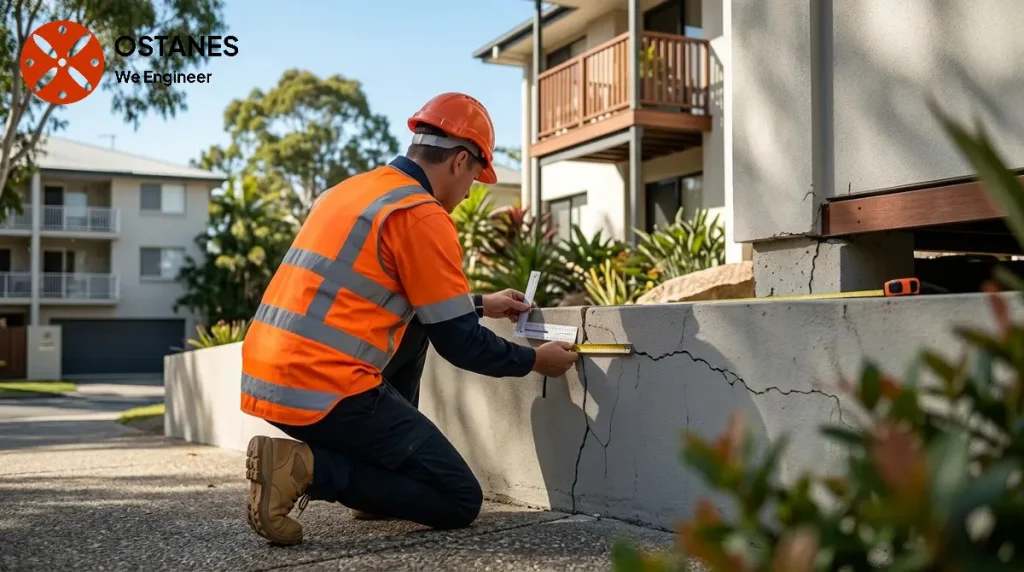
Strata-report concerns are most useful when checked against dates, the inspected areas and evidence of follow-up. Repeated repairs or unresolved reports may justify targeted technical review, rather than an automatic decision about the purchase.
How to read strata and body corporate records for warning signs
When reviewing apartment defect records, it’s essential to look for patterns and unresolved issues across various documents. These may include body corporate meeting minutes, maintenance logs, levy notices, correspondence, and engineering reports. Repeated or continuing entries suggest an open issue or an ongoing pattern of concern. The key is that these records flag questions for further investigation, rather than providing definitive proof of a defect. For instance, the body corporate legislation in Queensland outlines requirements for maintaining records, which can be a valuable resource for buyers.
Recurring repair expenses and repeat maintenance
Consistent references to the same type of repair or repeated maintenance activities for a specific area of common property can be a significant red flag. This might appear as regular entries for a particular contractor addressing similar issues, or repeated discussions in meeting minutes about an ongoing problem. For example, consistent work orders for sealing leaks in the same part of the building or regular discussions about specific amenity repairs may indicate an underlying issue that has not been fully resolved. This pattern suggests the problem is either systemic or the previous repairs were not effective.
Repeated water ingress or building defect records
Records detailing repeated instances of water ingress, such as leaks, dampness, or mould issues, particularly if they affect common property like roofs, balconies, or external walls, warrant close attention. Similarly, consistent mentions of other apartment defect records, including issues with facades or building envelopes, across meeting minutes and correspondence can signal an ongoing concern. According to Queensland building guidance, careful review of these historical records can highlight areas that may require further investigation. These repeated references can be a sign of unresolved underlying problems, rather than isolated incidents. However, documents alone cannot diagnose the precise cause or severity of any issue, and an on-site assessment is required to understand the situation fully.
Unresolved structural engineering reports
The presence of structural engineering reports within body corporate documents is an important finding. A key strata report red flag arises when these reports contain recommendations that appear to be unaddressed. Buyers should look for subsequent records that clearly document the implementation of these recommendations or an explanation for why they were not followed. If records later refer to the same structural issue, or if there is no clear evidence of resolution, the engineering report may remain open. It is crucial to remember that interpreting the findings of an engineering report or assessing the property’s structure remotely is not possible from documents alone. If an engineering report indicates unresolved structural concerns, an on-site structural engineering assessment is the appropriate next step to clarify the current condition.
Repeated disputes, claims or unresolved committee decisions
Body corporate records that show a history of repeated disputes, claims related to defects, or committee decisions that remain unresolved can indicate underlying tensions or ongoing issues within the building. This might include lengthy correspondence regarding a specific problem, references to legal action, or repeated deferrals of decisions on significant matters. While such entries do not automatically prove a defect, they do signal a potential for future complications, increased costs, or an unaddressed concern that has caused significant friction. Buyers should seek clarification on the status and implications of these repeated discussions.
Special levies, financial pressure or unexplained cost decisions
Review financial records for proposed or implemented special levies that are not fully explained by clear capital works. Unexplained cost overruns, frequent or unexpected financial calls, or evidence of budget shortfalls can signal underlying problems within the body corporate’s financial health or the building’s condition. These may appear as discussions in meeting minutes, levy notices, or budget reports. While specific amounts cannot be discussed here, a pattern of unexpected financial demands or lack of clarity around significant expenses warrants further inquiry.
Incomplete, inconsistent or deteriorating apartment defect records
Records that are incomplete, inconsistent, or show a lack of follow-up on reported issues can themselves be a warning sign. Missing documentation for previously noted problems, inconsistent descriptions of repairs, or repeated postponements of necessary works can create uncertainty about the true condition of the common property. For example, if a leak was reported but there is no record of its resolution, or if descriptions of a defect change significantly over time without explanation, it suggests poor record-keeping or a failure to address issues effectively. While incomplete records do not prove a defect, they certainly make it difficult for a buyer to assess the property’s history accurately.
Questions to ask before proceeding
When you encounter any of these red flags, a structured approach can help clarify the situation.
- Compare records: Cross-reference issues across different documents such as meeting minutes, financial statements, and maintenance logs. Look for consistency or discrepancies in how problems are described and whether they appear to be resolved.
- Identify open questions: For any unresolved issue, formulate clear questions about its current status, the proposed resolution, and any associated costs or risks.
- Consult professionals:
- For legal or body corporate governance questions, consult a conveyancer or a body corporate management professional.
- For concerns about the physical condition of common property, especially those related to structural integrity, a professional assessment is often necessary. We at Ostanes Engineering provide pre-purchase structural inspection services to assess structural concerns on-site, offering an independent evaluation of the building’s condition where documents indicate potential issues.
It is important to remember that records provide indicators, not definitive diagnoses. An on-site assessment by a qualified professional is critical for understanding the actual condition of the property and its common areas.
What are the main strata report red flags before buying an apartment?
Key strata report red flags include recurring repairs for the same issues, repeated references to building defects like water ingress, unresolved structural engineering reports, and incomplete or inconsistent records regarding past concerns. These indicators suggest areas that require closer examination, prompting further questions rather than automatically proving a property defect.
Does a strata report confirm whether an apartment has structural defects?
A strata report can highlight the presence of past or ongoing issues that may relate to structural integrity, such as references to engineering reports or recurring cracking. However, the report itself provides document evidence, not a definitive engineering assessment. An independent, on-site structural engineering inspection is required to determine the presence, extent, and implications of any structural defects.
What should I do if the records mention an unresolved engineering report?
If body corporate records mention an engineering report with unresolved recommendations or without clear evidence of follow-up, you should seek clarification on its current status. This typically involves asking the body corporate for an update or, more importantly, arranging for an independent, on-site structural engineering assessment to evaluate the findings and the property’s current condition. Do not attempt to interpret the report or its implications on your own.
Are repeated repair entries always a reason not to buy?
Repeated repair entries are not automatically a reason to avoid a purchase, but they are a strong signal that further investigation is warranted. They can indicate an ongoing issue that has not been adequately resolved, which could lead to future costs or concerns. Understanding the context of these repairs and whether a lasting solution has been implemented is crucial before making a decision.
Test red flags against dates, scope and follow-up
A report mentioning cracking is more useful when you know where it occurred, when it was assessed and whether the recommended work was completed. Compare meeting minutes with repair invoices, updated reports and the proposed maintenance programme. Repeated expenditure without a clear diagnosis may justify a more focused technical review. Do not assume that a clean summary means the whole building was inspected. Ask what was excluded, whether access was limited and whether current observations differ from the earlier evidence.
Discuss your project with Ostanes Engineering
For help with the structural questions in this guide, discuss pre-purchase structural inspection with Ostanes Engineering. structural inspection may also be relevant where the assessment or proposal identifies that need. Agree on the scope, evidence and deliverables before commissioning additional work.
Complete the contact form with your property location, the concern or proposed work, safe photographs and any available drawings, soil report or earlier reports. Contact us through the form for a project-specific cost estimate. The team will respond as soon as possible.
Official references and further reading
For the relevant regulatory or maintenance context, consult Queensland body corporate records and Queensland maintenance responsibilities. These resources complement the project-specific advice described above.
