
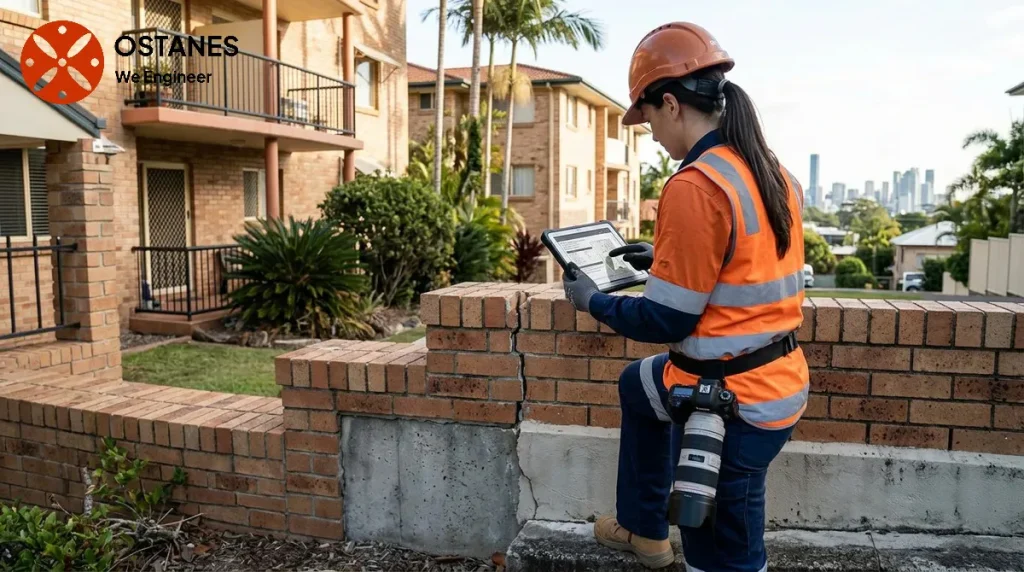
Body-corporate records can reveal reported defects, maintenance decisions and planned works. They complement a physical inspection and help identify unresolved structural questions; they do not prove the current condition of every element.
How to Organise the Records
An effective apartment records search involves systematically reviewing various documents to build a historical understanding of the property. Grouping meeting minutes, committee discussions, correspondence, building reports, and levy notices by specific issues can help you track their status. It is important to distinguish between a recorded event (e.g., a reported crack), an allegation (e.g., an owner’s complaint about a leak), a proposed action (e.g., a tender for balcony repairs), completed work (e.g., invoices for roof replacement), and an unresolved concern that consistently reappears in minutes. This approach helps in understanding whether a reported issue was addressed, remains outstanding, or was deemed minor.
What the Records Can Reveal
The records can reveal a building’s history through documented references to various conditions. For instance, repeated mentions of cracking, particularly if described as widening or occurring in load-bearing elements, can be a significant indicator. Similarly, consistent reports of leaks or recurring water ingress may point to underlying issues with waterproofing, roofing, or plumbing systems that could affect structural integrity over time. References to concrete spalling—where concrete deteriorates and exposes reinforcing steel—are also critical, as this condition can compromise structural elements if not addressed. These body corporate records structural defects entries suggest the need for closer investigation but cannot, from text or photographs alone, establish the precise cause or severity of the problem in a specific unit or building. Records provide evidence of past concerns, but a current, on-site assessment is necessary to determine the present condition of the property.
Reading Engineer Reports and Remedial Works
References to structural engineer reports, investigations, scopes of work, and major remedial works within body corporate records warrant careful attention. These documents indicate that significant building issues have been identified and formally assessed. When reviewing such entries, note the date of the report, the engineer’s firm, and the specific findings or recommendations. It is important to understand that while a report’s existence confirms professional involvement, its conclusions cannot be safely drawn by a buyer without expert interpretation. Buyers should consult the original reports to understand the extent of any findings and recommended actions. Information provided by the Queensland Building and Construction Commission (QBCC) can offer context regarding building standards and responsibilities. However, the records alone do not prescribe repair methods or confirm whether all recommended works were carried out to specification.
Special Levies and Sinking Fund Defect History
Special levies and discussions about the sinking fund provide insight into the financial health of the body corporate and its approach to building maintenance and future capital works. A special levy may be raised to cover unforeseen expenses or significant repairs not budgeted for in the administrative or sinking fund. If these levies are linked to specific building defects or major remedial projects, they form part of the sinking fund defect history and can indicate past or anticipated structural or significant maintenance costs. Similarly, detailed discussions in minutes about proposed major works, even if not yet funded by a special levy, signal known issues that the body corporate plans to address. While these entries highlight potential future expenditure or past problems, they do not offer legal conclusions about the validity of a levy, owner obligations, or the sufficiency of funds.
Queensland Records and Official Sources
For Queensland property buyers, understanding the context of body corporate records often involves referring to official state sources. The Body Corporate and Community Management Act 1997 (Qld) governs the operation of body corporate schemes in Queensland. Additionally, guidance from the Queensland Department of Housing provides information on consumer building and neighbour law. These resources can clarify aspects of body corporate responsibilities and the rights of owners. When reviewing records, it is advisable to cross-reference any claims or discussions with the current official wording from these verified sources. This helps in understanding the regulatory framework within which the body corporate operates without making definitive legal or compliance claims.
What records may indicate a history of structural defects?
Records such as repeated mentions of cracking, recurring water ingress, evidence of concrete spalling, or past engagements of structural engineers for investigations or remedial works can indicate a history of potential structural defects. These entries serve as indicators for further review, not as a definitive diagnosis of the property’s current condition.
Do special levies always mean an apartment building has structural problems?
No, a special levy does not automatically mean an apartment building has structural problems. Special levies can be raised for various purposes, including aesthetic upgrades, necessary maintenance, or unexpected repairs not directly related to structural integrity. It is important to review the body corporate minutes and accompanying documentation to understand the specific reason for the levy.
When should a buyer request an expert structural review?
A buyer should consider requesting an expert structural review if body corporate records repeatedly document issues such as persistent cracking, unresolved water leaks, concrete deterioration, or if there have been past structural engineer reports or significant remedial works related to structural elements. An on-site assessment is necessary to evaluate the current condition.
Can photographs or body corporate records confirm the cause of cracking or leaks?
Photographs and body corporate records can provide valuable historical context and illustrate the presence of cracking or leaks. However, they generally cannot confirm the precise cause or the extent of the underlying issue without a professional, on-site assessment. An expert inspection is typically required to diagnose the root cause and assess the current condition of the property.
Turn records into questions for the physical inspection
Look for recurring leaks, structural reports, repeated repairs, planned major works and decisions that were deferred. Note whether reports cover your lot, a particular building or the whole scheme, and whether recommendations were completed. Missing records are a reason to ask further questions, not proof of a defect. Give the relevant reports and minutes to the engineer so the site visit can target unresolved structural concerns. Keep the records search and technical inspection as complementary tasks with different limitations.
Check the current seller-disclosure documents
Queensland’s seller disclosure scheme applies from 1 August 2025. The Queensland buying into a body corporate guidance identifies the applicable body-corporate certificate: BCCM Form 33, Form 34 for specified two-lot schemes, or BUGTA Form 18. These are different from building-design and inspection forms. Review the supplied certificate alongside the detailed records and physical inspection.
Discuss your project with Ostanes Engineering
For help with the structural questions in this guide, discuss pre-purchase structural inspection with Ostanes Engineering. structural inspection may also be relevant where the assessment or proposal identifies that need. Agree on the scope, evidence and deliverables before commissioning additional work.
Complete the contact form with your property location, the concern or proposed work, safe photographs and any available drawings, soil report or earlier reports. Contact us through the form for a project-specific cost estimate. The team will respond as soon as possible.
Official references and further reading
For the relevant regulatory or maintenance context, consult Queensland body corporate records and Queensland maintenance responsibilities. These resources complement the project-specific advice described above.
