
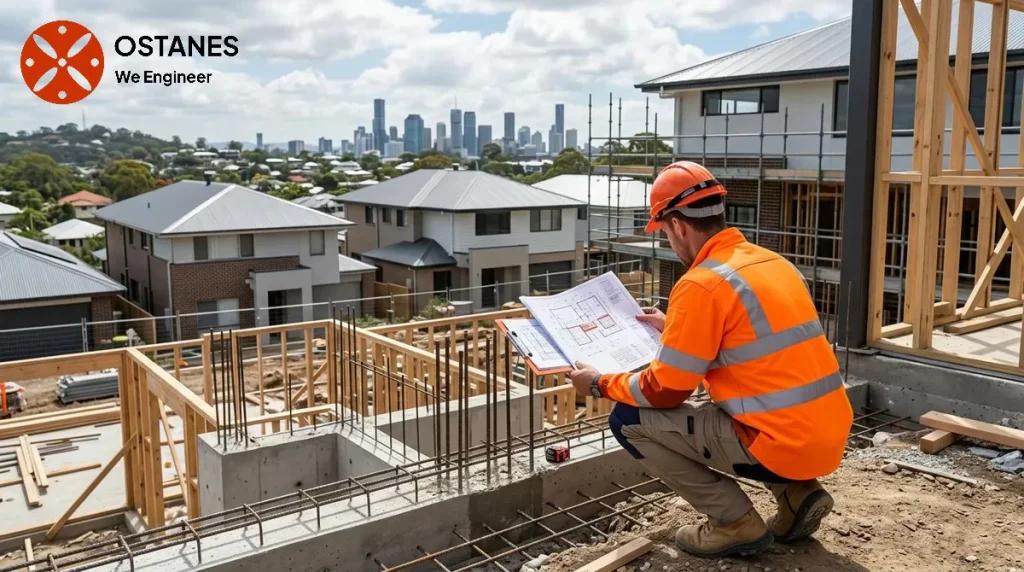
Off-the-plan due diligence changes as the project progresses: proposed documents can be reviewed before completion, while physical inspection depends on construction stage and access. Legal contract review remains a separate task.
Build a due-diligence file before signing
Before signing, collect the available architectural plans, engineering designs, material specifications, disclosure statements, body corporate information and council approvals or permits. Check them for consistency and gaps. These documents describe the proposed development; they do not prove compliance or the future condition of the property.
Questions to ask about the plans and project information
Once you have assembled the available documents, it is important to scrutinise the details. Key questions to consider involve comparing the proposed design against your expectations, identifying all inclusions and exclusions, and understanding any proposed changes to the original plans. Inquire about the construction schedule, expected completion dates, and any provisions for site access during construction for progress inspections. Understanding how developer changes are communicated and approved is also important. These questions focus on practical details and potential discrepancies that may impact your purchase decision, rather than interpreting legal contract clauses.
What structural risks can you identify before completion?
Even before construction is complete, a careful review of available plans and specifications can highlight potential off plan building defects or structural concerns. Look for inconsistencies between architectural drawings and engineering plans, or unusual design features that might suggest complex structural requirements. Observable patterns, such as significant cantilevers, large unsupported spans, or complex foundation designs, may indicate areas where further engineering scrutiny could be warranted. While this review cannot provide a property-specific diagnosis, it can help you identify information gaps or design aspects that could lead to questions once construction is underway or completed. These observations should prompt a discussion with the developer or lead to seeking professional advice.
When a standard inspection may not be enough
A standard building and pest inspection is a common and valuable part of property due diligence for existing homes. However, for an off-the-plan purchase, its scope and timing differ significantly. Such an inspection typically assesses the general condition of a completed structure and identifies common defects, pest activity, and general maintenance issues. Structural engineering advice, on the other hand, focuses specifically on the integrity of the building’s load-bearing elements, foundations, and overall structural design, often involving a detailed review of technical documentation or a specific assessment of complex structural issues. Where there are complex structural designs, unusual site conditions, or concerns arising from the project documentation, a standard building and pest inspection may not fully address the underlying structural questions. We believe that separating structural questions from other due-diligence matters ensures that each aspect receives the specialised attention it requires. For specific structural integrity questions, especially concerning complex designs or observed patterns that raise concern, an independent assessment can provide a detailed evaluation. You can learn more about a Pre-Purchase Structural Inspection to understand how such an assessment differs from a general building inspection.
When to seek independent engineering advice
Independent engineering advice becomes particularly valuable when you encounter unresolved structural questions, incomplete technical information, or material inconsistencies in the project documents. If the plans suggest complex structural elements, or if you identify unusual design features that concern you, consulting an appropriately qualified engineer is a prudent step. An engineer can assess the available project documentation and advise on potential structural implications or areas requiring further investigation. This type of assessment helps clarify whether the proposed design aligns with sound engineering principles. When seeking independent advice, it is advisable to confirm the engineer’s qualifications; the BPEQ professional register provides information on registered professional engineers in Queensland.
Questions to route to the right professional
Successful due diligence for an off-the-plan purchase involves directing specific questions to the appropriate professional. Here is a guide:
- Legal Questions: Contract terms, conditions, dispute resolution, and legal implications of proposed changes should be directed to a solicitor or conveyancer.
- Planning and Approval Questions: Inquiries regarding compliance with local planning schemes, development approvals, and specific building code requirements should be routed to the relevant council authority or a planning consultant.
- General Property Condition Questions: For general building condition issues, once the property is near completion or completed, a qualified building inspector can provide an assessment.
- Structural Engineering Questions: Concerns about the integrity of the building’s structure, foundation design, or unusual engineering details should be directed to an appropriately qualified structural engineer.
Queensland sources and professional checks
Buyers in Queensland have access to various official sources for information. For current official information regarding planning and development in Queensland, you may refer to the Queensland planning legislation. For broader guidance on consumer building matters and neighbour law, the Queensland housing guidance portal can provide relevant information. To verify professional credentials, particularly for engineers, the BPEQ professional register is the official resource for checking the registration status of professional engineers in Queensland. Always consult the most current versions of these official government and regulatory sources.
Can I inspect an off-the-plan property before it is built?
While you cannot conduct a traditional inspection of a property that is not yet built, you can review available documentation such as plans, specifications, and disclosure statements. Some developers may also offer visits to display homes or the construction site under supervision once specific milestones are reached, but this is distinct from a formal inspection of the completed unit.
Is a building and pest inspection enough for an apartment purchase?
A building and pest inspection is generally valuable for assessing common defects and pest issues in the accessible areas of a completed apartment. However, for deeper structural concerns, especially related to the overall building’s design, foundations, or complex load-bearing elements, it may not be sufficient. Structural engineering advice is more targeted for these specific technical aspects.
When should I seek independent structural advice?
You should seek independent structural advice when you have specific, unresolved questions about the structural integrity of the design, if the project documents raise concerns about unusual engineering features, or if you identify inconsistencies in the technical plans. This advice helps clarify potential risks that a general inspection may not cover.
Who should interpret the contract?
All contractual documents, including the sale contract and any associated agreements, should be reviewed and interpreted by a qualified solicitor or conveyancer. They can provide legal advice specific to your rights and obligations under the contract.
How can I check whether an engineer is appropriately registered in Queensland?
You can verify the registration of a professional engineer in Queensland by checking the official BPEQ professional register. This register allows you to confirm that an engineer holds current registration to practice in Queensland.
Plan for evidence at different off-the-plan stages
Before construction is complete, review the contract, disclosure material and proposed specification with the appropriate advisers; there is no finished structure to physically inspect. Later, access and the developer’s handover arrangements determine what can be checked. Keep a list of discrepancies and obtain available engineering and certification records. If a structural issue is identified at pre-settlement or handover, scope a targeted assessment around that concern. Do not treat a visual inspection as confirmation that every concealed element matches the approved design.
Land and apartment contracts need different legal checks
Queensland off-the-plan guidance distinguishes the sunset-clause reforms for off-the-plan land sales from community titles schemes such as apartments. Do not transfer a land-contract rule to an apartment purchase without legal advice. Structural due diligence should be coordinated with the actual contract and construction stage.
Discuss your project with Ostanes Engineering
For help with the structural questions in this guide, discuss pre-purchase structural inspection with Ostanes Engineering. structural inspection may also be relevant where the assessment or proposal identifies that need. Agree on the scope, evidence and deliverables before commissioning additional work.
For a project-specific cost estimate, complete the contact form with your property location, the concern or proposed work, safe photographs and any available drawings, soil report or earlier reports. The team will respond as soon as possible.
Official references and further reading
For the relevant regulatory or maintenance context, consult Queensland off-the-plan guidance and Queensland buying into a body corporate.
