
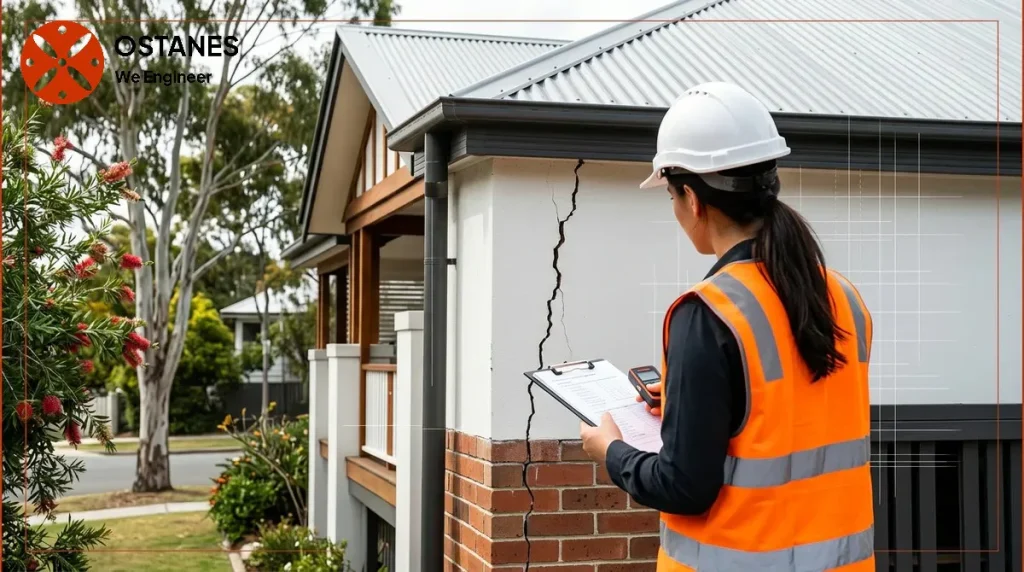
Call a structural engineer when structural concerns need a qualified assessment, particularly where symptoms are changing or the significance is uncertain. Explain the observations, history and report purpose when enquiring.
Opening decision guide
Identifying a potential issue with your home’s structure often begins with noticing specific signs or planning significant changes. It is important to distinguish between these observable triggers and a confirmed structural problem. While certain indicators can prompt further investigation, they do not automatically mean there is a structural defect. A professional assessment helps determine the nature and cause of any concerns. Homeowners should consider contacting a structural engineer when faced with changing symptoms, recurring issues, external events impacting the property, planned construction work, or risks during a property transaction. These are signs you need a structural engineer.
Cracks and movement that may warrant assessment
When considering when should I call a structural engineer for cracks, homeowners should focus on observation. Cracks that are widening, changing in length or direction, or recurring in the same locations may indicate building movement that warrants assessment. Similarly, doors or windows that repeatedly stick or jam, or changes observed across different parts of a building such as misaligned floors or walls, can be signs of movement. Recording the location, pattern, and any associated symptoms over time can provide valuable information for an engineer without attempting to diagnose the underlying cause.
Damage after storms, impacts or other acute events
Severe weather events, such as cyclones, heavy storms, or floods, as well as direct impacts to the building, can compromise a home’s structural integrity. If you observe visible damage, sudden shifts in the building, or have any concerns about safety following such an event, it is prudent to seek prompt professional inspection. Such situations require immediate assessment by a qualified professional rather than attempting self-assessment, as the extent of potential damage may not be apparent from a superficial check.
Major renovations or structural changes
Any significant renovation or alteration project that involves changes to the load-bearing elements of your home, such as removing walls, adding new levels, or modifying the roof structure, typically requires engineering input. Before commencing such work, an engineer can assess the existing structure and design the necessary modifications to ensure stability and compliance. The Queensland Building and Construction Commission (QBCC) provides guidance on building work, highlighting the importance of proper planning for structural changes.
Pre-purchase doubts and unresolved building concerns
When buying a property, discovering existing signs like persistent cracking, evidence of previous movement, or other unexplained building symptoms can be a cause for concern. These observations, particularly if they are widespread or appear significant, are strong reasons to seek an independent structural engineering assessment before finalising a purchase. Such an assessment offers an objective evaluation of the property’s condition and potential risks.
Queensland conditions and changing movement signs
Queensland’s diverse soil conditions and climate, including periods of drought followed by heavy rainfall, can influence ground movement, which in turn may affect building foundations. Observable changes in your home’s structure, such as new or recurring cracks, or changes in how doors and windows operate, can sometimes relate to these environmental factors. While these signs may indicate that movement is occurring, it is important not to attribute a definite cause without professional assessment. Instead, focus on consistently noting where and when these signs appear.
Choosing an appropriately qualified professional
When seeking professional advice, it is important to engage a qualified individual. In Queensland, structural engineering work must be carried out or supervised by a Registered Professional Engineer of Queensland (RPEQ). You can verify an engineer’s RPEQ registration through the Board of Professional Engineers of Queensland (BPEQ). The Professional Engineers Act 2002 (Qld) outlines the requirements for professional engineering services in the state. Checking these resources helps ensure you are engaging a properly qualified professional for your specific needs.
How to judge whether a concern warrants assessment
To determine if your concern warrants a structural engineering assessment, consider the following:
- What changed? Identify new cracks, altered door or window function, or other observable differences in your home’s condition.
- Does the issue recur? Note if sticking doors, jamming windows, or cracks reappear after attempts to address them, or if seasonal changes influence their appearance.
- Did an external event precede it? Consider if a recent storm, flood, or impact coincides with the onset of structural signs.
- Is structural work planned? If you intend to make alterations that affect load-bearing elements, an assessment is usually a necessary step.
- Does the concern affect a purchase decision? For prospective buyers, unresolved structural observations in a property can justify an independent engineering assessment.
If any of these points resonate with your situation, an engineering assessment can provide clarity.
When should I call a structural engineer for cracks?
You should consider calling a structural engineer for cracks if they are widening, increasing in length, recurring in the same places, or are accompanied by other signs of building movement. These observations suggest a need for professional assessment to understand the cause, rather than attempting to diagnose it yourself.
Are sticking doors a sign you need a structural engineer?
Recurring sticking or jamming of doors and windows can be one indicator of building movement. While not a definitive diagnosis on its own, if it happens consistently and is observed alongside other signs like cracking, it can contribute to a larger pattern that warrants a structural engineer’s assessment.
Should storm damage be assessed by a structural engineer?
Yes, if your property has experienced significant storm damage, particularly visible structural damage or any concerns about its safety or stability, it is advisable to have it assessed by a structural engineer. This ensures a professional evaluation of the damage and helps determine appropriate next steps, rather than attempting repairs without expert input.
Should I contact an engineer before a major renovation?
If your renovation plans involve altering load-bearing walls, foundations, roof structure, or adding significant weight to your home, contacting an engineer beforehand is typically a prudent step. They can assess the feasibility and design necessary structural modifications to ensure the safety and integrity of the building.
Should a pre-purchase concern prompt an engineering assessment?
Yes, if you have unresolved structural concerns when considering a property purchase, such as significant cracking, signs of past movement, or unexplained building defects, an independent engineering assessment is highly recommended. This provides an objective evaluation of the property’s condition, helping you make an informed decision without guaranteeing a specific purchase outcome.
Make the first enquiry specific and evidence-based
Describe what changed, where it is occurring, when it began and whether there are associated symptoms. Include safe photographs, previous reports and available drawings. Sudden displacement, loose material or an apparently unstable element calls for prompt attention to access safety; routine booking should not be treated as emergency clearance. The engineer can help scope a targeted inspection, a broader assessment or further investigation. A clear enquiry reduces the risk of receiving a report that does not answer your actual concern.
Discuss your project with Ostanes Engineering
For help with the structural questions in this guide, discuss structural inspection with Ostanes Engineering. structural crack and movement report may also be relevant where the assessment or proposal identifies that need. Agree on the scope, evidence and deliverables before commissioning additional work.
Complete the contact form with your property location, the concern or proposed work, safe photographs and any available drawings, soil report or earlier reports. Contact us through the form for a project-specific cost estimate. The team will respond as soon as possible.
Official references and further reading
For the relevant regulatory or maintenance context, consult BPEQ registration and QBCC subsidence guidance. These resources complement the project-specific advice described above.
