
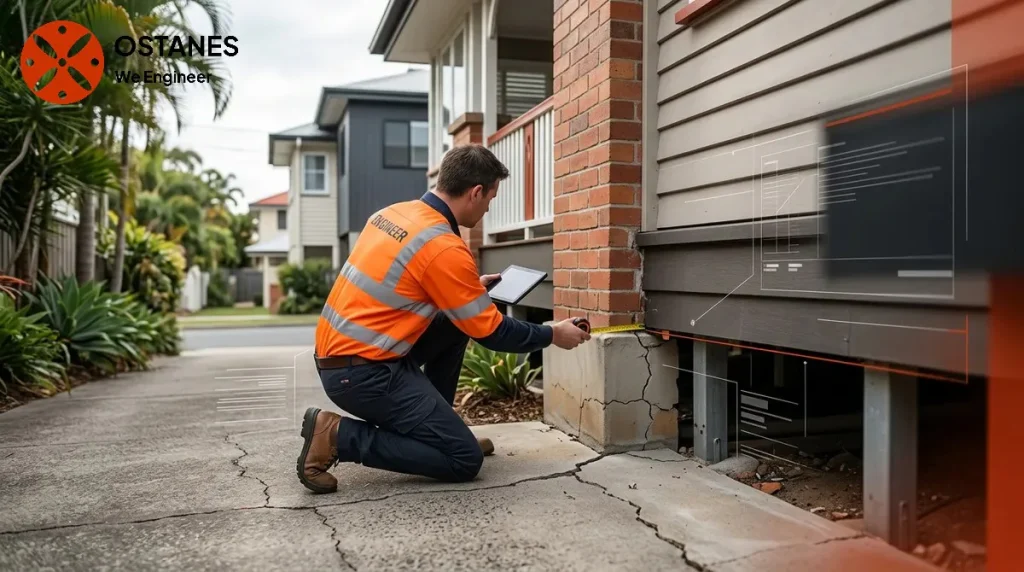
An independent structural report can address disputed technical findings in an insurance claim. Its value lies in clear questions, evidence and reasoning, rather than a promise to reach a preferred outcome.
When an independent structural report may help
An independent structural report provides technical input when there’s an insurance claim structural dispute. An engineer’s assessment can be particularly useful in clarifying the technical elements of a disagreement, helping to distinguish between observations, contributing factors, and a confirmed engineering conclusion. Such a report may focus on three main areas: causation disagreements, scope-of-damage discrepancies, and disputed repair adequacy. In each scenario, an independent structural engineer can investigate the specific technical question at hand, providing an impartial perspective based on their expertise and site-specific observations, as an independent assessment may clarify a technical disagreement. This process does not diagnose a specific property from a description but rather outlines the types of questions an engineer can objectively evaluate.
Causation disagreements
In cases where there is a dispute over what caused observed structural damage, an independent structural report can be invaluable. This involves an engineer examining the property to assess potential factors that may have contributed to the damage. For instance, observations of movement patterns, soil conditions, or historical events can help inform an engineering opinion. However, assigning definitive cause requires careful property-specific investigation and cannot be determined from photographs or general descriptions alone. The engineer’s role is to provide a qualified opinion based on the available evidence and their professional assessment, not to guarantee a specific claim resolution.
Scope-of-damage discrepancies
Disagreements can arise concerning the extent of structural damage relevant to an insurance claim. An independent structural engineer can assess whether observed damage forms part of a broader structural issue. This involves distinguishing visible observations from conclusions that require detailed inspection and supporting evidence. The assessment may help clarify whether the damage is isolated or indicative of a more extensive problem. An engineer’s findings can objectively detail the nature and extent of structural issues, which can then inform discussions around the claim.
Disputed repair adequacy
When the adequacy of completed or proposed repairs is in question, an independent structural report can provide technical insight. This typically involves an engineer evaluating whether the work addresses the underlying structural issues. The assessment focuses on the technical merits of the repairs concerning the property’s structural integrity. An engineer does not prescribe specific repair methods, products, or maintenance actions but assesses whether the repair approach is technically sound for the identified structural problem. Any conclusion regarding property-specific repair adequacy would require an appropriate engineering assessment.
When a claim denial leaves a technical question unresolved
If you’ve received an engineer report after claim denied, an independent structural report may help clarify specific technical aspects that led to the denial. This is relevant when the denial hinges on an unresolved structural question, such as the cause or extent of damage. An engineer’s report can provide a fresh, objective technical perspective on these structural points. It’s important to note that while this report can offer additional technical evidence, it does not interpret policy wording, advise on legal rights, or guarantee a change in the insurer’s decision.
When a standard reference may be relevant
A report should identify the technical references actually used, explain their relevance to the stated question and distinguish observations from assumptions. A standard reference does not remove the need for property-specific evidence.
Independence, qualification and Queensland context
When seeking technical input for an insurance dispute, the independence and qualifications of the engineer are important. An independent engineer provides an unbiased assessment based purely on technical evidence. In Queensland, registered professional engineers (RPEQs) are regulated by the Board of Professional Engineers of Queensland (BPEQ). This registration signifies that an engineer has met specific competency and ethical standards required to practice in the state. Checking an engineer’s registration on the BPEQ – RPEQ register & regulation (bpeq.qld.gov.au) helps ensure they possess the necessary qualifications for complex structural assessments. However, RPEQ registration itself does not guarantee independence, a particular report conclusion, or an insurance outcome, but rather competence in engineering practice.
Can an independent structural report help with an insurance claim dispute?
Yes, an independent structural report can provide objective technical evidence to clarify specific structural questions in an insurance claim dispute. It can address issues like causation, damage scope, or repair adequacy, offering an impartial engineering opinion. However, it does not guarantee a claim outcome or provide legal advice.
What can an engineer report after a claim is denied address?
An engineer’s report after a claim denial can address specific, unresolved structural questions that may have contributed to the denial. This includes providing further technical assessment of the cause or extent of damage, based on appropriate investigation and available evidence. It does not interpret policy terms or promise reconsideration of the claim.
Can an engineer determine whether damage relates to the claimed event?
An engineer can investigate whether specific damage may relate to a claimed event through property-specific investigation, analysis of evidence, and professional judgment. This requires a thorough assessment of the site and relevant information, leading to qualified conclusions rather than diagnoses from photographs or general descriptions.
Can an independent damage assessment decide an insurance claim?
No, an independent damage assessment provides technical evidence and engineering opinions, but it does not make decisions on insurance claims. Claim decisions rest with the insurer, based on their policy terms and overall assessment. The report cannot guarantee claim acceptance, payment, or any other outcome.
Should a Queensland property owner check an engineer’s registration?
Yes, property owners in Queensland should check that an engineer is a Registered Professional Engineer of Queensland (RPEQ). This indicates that the engineer meets the professional standards set by the Board of Professional Engineers of Queensland (BPEQ). While registration signifies competence, it does not guarantee independence, quality, or success in an insurance claim.
Define what makes the additional report useful
An independent assessment should address the disputed technical questions, not simply repeat a preferred conclusion. Provide the existing reports, photographs, chronology and any areas of disagreement. Ask the engineer to distinguish facts, assumptions and opinions and to explain limitations or further evidence needed. Differences between reports may arise from access, scope or the information available at the time. Keep the engineering findings separate from policy interpretation, and follow the insurer’s dispute process where the disagreement extends beyond structural matters.
Discuss your project with Ostanes Engineering
Ostanes Engineering’s insurance damage structural report addresses the agreed structural damage questions. A forensic structural investigation may be appropriate where the mechanism or competing explanations require deeper investigation. These services provide technical evidence and do not guarantee claim acceptance.
Complete the contact form with your property location, the concern or proposed work, safe photographs and any available drawings, soil report or earlier reports. Contact us through the form for a project-specific cost estimate. The team will respond as soon as possible.
Official references and further reading
For the relevant regulatory or maintenance context, consult Insurance Council expert-report guidance and BPEQ registration. These resources complement the project-specific advice described above.
