
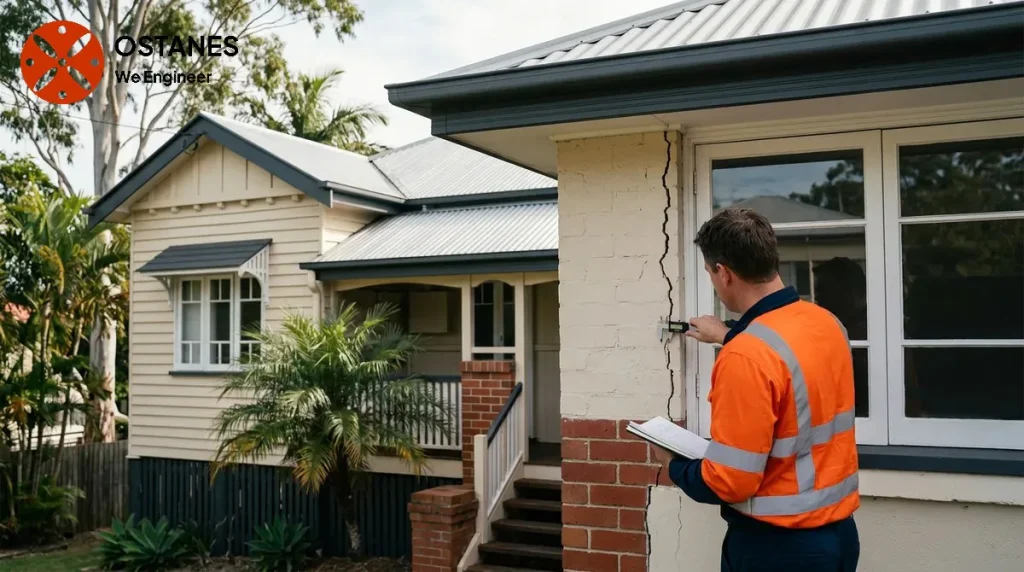
Whether structural cracks are insured depends on the policy and circumstances of the claim. An engineer can assess technical cause and repair questions, while coverage remains a separate decision under the policy.
What Technical Evidence Can Support a Crack Claim?
When dealing with a structural crack insurance claim, various forms of technical documentation can help an insurer understand the situation. These records do not guarantee coverage but can provide clarity regarding the crack’s appearance, progression, and potential causes. Having clear and organised evidence can assist in the assessment process.
Useful documentation categories include:
- Date-Stamped Photographic Timelines: A series of photographs taken over time, clearly showing the crack’s initial state and any subsequent changes. Each image should include the date it was taken.
- Movement Monitoring Records: Documentation of whether a crack has widened, lengthened, or otherwise changed. This can involve simple methods like marking crack ends or placing tell-tales.
- Causation Engineering Reports: Professional assessments that review the observed damage, site conditions, and any available historical data to identify potential technical causes for cracking.
- Remedial Scopes of Work: Documents outlining proposed actions to address the identified issues. These do not prescribe repairs but describe the nature of work an engineer might recommend.
Collecting these types of evidence can assist in presenting a comprehensive picture of the damage for insurer review. Insurers typically apply the relevant policy terms and conditions when evaluating claims, and supporting technical evidence contributes to their understanding of the event.
How to Record Crack Changes Without Diagnosing the Cause
Documenting changes in structural cracks involves careful observation rather than making definitive statements about their origin. Note the crack’s location on the property, its general pattern (e.g., vertical, horizontal, stepped), and its approximate length and depth. You can record visible changes over time, such as whether the crack appears to be widening or extending. Simple methods for monitoring movement can include marking the ends of a crack with a pencil line and date, or applying a piece of adhesive tape or a plaster tell-tale across the crack and noting if it breaks. These observations can provide an objective record of crack progression, but they do not, on their own, establish the cause of the cracking.
Engineering Assessment Versus Insurer Coverage Decision
It is important to distinguish between an engineer’s role in assessing damage and an insurer’s role in determining coverage. An engineer observes the physical evidence of damage, analyses potential technical causes based on their expertise and available data, and prepares a report outlining these findings. This technical assessment describes what has occurred from an engineering perspective. For instance, in a structural crack insurance claim, an engineer might assess if the cracking patterns are consistent with specific foundation movement or material stress. However, an engineer does not interpret insurance policies, determine liability, or decide if a claim will be accepted. The insurer, applying the relevant policy’s terms and conditions, makes the ultimate decision on whether the damage is covered, taking into account the technical evidence provided.
What Technical Evidence Can Clarify Cause?
A causation engineering report can bring together various pieces of information to clarify the potential reasons for structural cracking. This report typically involves a professional assessment of site observations, a review of historical data, and consideration of contributing factors such as soil conditions or tree roots. When assessing residential properties in Queensland, engineers may refer to standards such as AS 2870 Residential Slabs and Footings, which provides guidelines for the design and construction of footings and slabs for residential buildings. However, identifying the specific cause for cracks on an individual property requires an on-site investigation by a qualified professional. A report can outline what factors may have contributed to the observed damage, but it will not diagnose a specific property’s issues remotely.
Are structural cracks covered by insurance?
Whether structural cracks are covered by insurance depends entirely on your specific policy and its terms and conditions. While technical evidence can clarify the condition and potential causes of cracks, the insurer makes the final decision regarding coverage.
What evidence can support a structural crack insurance claim?
Useful evidence categories include date-stamped photographs, records of crack movement over time, professional causation engineering reports, and any documentation detailing proposed remedial work.
Do photographs prove what caused a crack?
Photographs are excellent for documenting the appearance and changes in a crack over time. However, they typically cannot, by themselves, definitively prove the underlying cause of the cracking; this usually requires a professional engineering assessment.
What is the difference between an engineering report and an insurance decision?
An engineering report provides a technical assessment of observed damage and potential causes. An insurance decision is the insurer’s determination of whether that damage is covered under your policy, based on the report and policy terms.
When should a homeowner seek an RPEQ assessment?
Homeowners should seek an RPEQ assessment when they have concerns about the nature or progression of structural cracks, or when an insurer requests a professional engineering opinion to clarify causation or extent of damage.
Separate structural cause from insurance cover
Keep the policy wording, claim correspondence, event chronology and earlier condition records together. An engineer can assess the structural evidence and discuss possible causes within the agreed scope. Whether the policy covers those circumstances is a separate decision under the policy and claims process. Do not assume that every crack is excluded or that an engineering report guarantees payment. If there is disagreement, identify whether it concerns the technical cause, the repair scope or policy interpretation so the appropriate evidence and adviser can address it.
Discuss your project with Ostanes Engineering
Ostanes Engineering’s insurance damage structural report addresses the agreed structural damage questions. A forensic structural investigation may be appropriate where the mechanism or competing explanations require deeper investigation. These services provide technical evidence and do not guarantee claim acceptance.
Complete the contact form with your property location, the concern or proposed work, safe photographs and any available drawings, soil report or earlier reports. Contact us through the form for a project-specific cost estimate. The team will respond as soon as possible.
Official references and further reading
For the relevant regulatory or maintenance context, consult Insurance Council expert-report guidance and BPEQ registration. These resources complement the project-specific advice described above.
