
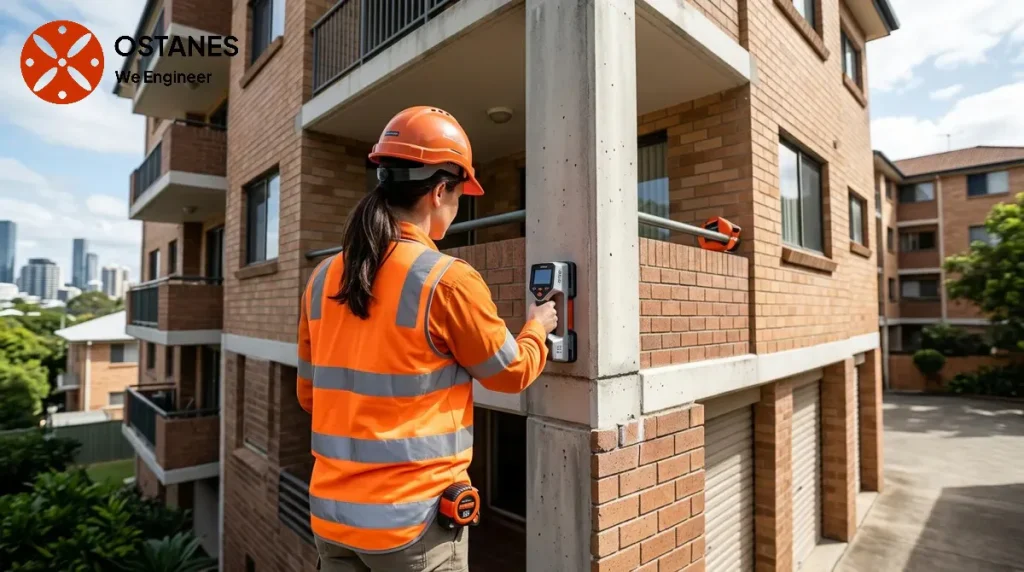
Periodic structural inspections are most useful when they build a comparable condition history. The review interval should reflect the building, known concerns and relevant requirements rather than one universal schedule.
What Periodic Structural Inspection Means
Periodic structural inspection refers to a proactive approach within a maintenance plan, designed to monitor the condition of a building’s primary load-bearing elements over time. It is distinct from routine property observation or general maintenance tasks. While regular checks by facility staff or residents can identify visible issues, a formal structural inspection involves a more detailed assessment, often by a qualified professional, to evaluate integrity and performance. This process focuses on identifying potential structural concerns early. It is important to understand that no general article can provide a diagnosis for a specific building, nor can it prescribe repair methods or offer detailed service descriptions.
How to Build a Risk-Based Inspection Plan
Developing a schedule for structural inspections involves evaluating specific risk factors unique to each building. Instead of relying on a fixed interval, a risk-based approach considers elements that can impact structural integrity and lead to an earlier assessment. These include the building’s age, as older structures may exhibit wear or material degradation over time. Coastal exposure, particularly in Queensland, introduces risks such as salt corrosion and increased wind loading. A change of use, for instance, converting a commercial space to residential, can alter floor loading requirements or occupancy patterns, necessitating a review of structural capacity. A history of defects, even if minor or previously addressed, can indicate areas requiring closer monitoring. Extreme weather events, such as severe storms or floods, can cause immediate or latent damage that warrants inspection. Furthermore, the effectiveness and comprehensiveness of preventative maintenance records play a role in assessing the ongoing condition. For example, consistent records of foundation movement or cracking might prompt an earlier assessment to understand the underlying cause and potential implications.
Apartment and Commercial Building Considerations
Both apartment and commercial buildings require careful planning for structural integrity, though the management contexts differ. Apartment buildings, often managed by body corporates, involve shared ownership and collective responsibility for common property. Commercial properties typically have single owners or facility managers overseeing maintenance. For either type, factors such as high occupancy or changes in use can affect structural demands. Buildings in coastal areas or those exposed to high humidity and temperature fluctuations may experience accelerated deterioration. Regular review of maintenance records, including any previous structural reports, becomes a crucial part of managing these properties.
Any statutory, regulatory, or compliance requirement relating to structural inspection frequency for apartment or commercial buildings in Queensland would need to be verified against current official sources, such as those provided by the QBCC – Queensland Building and Construction Commission.
No universal statutory inspection frequency applies to all apartment or commercial buildings; decisions are typically made based on risk assessment and professional advice.
Planning Records to Support a Frequency Review
Comprehensive records are invaluable for informing decisions about structural inspection frequency. Owners and managers should maintain a detailed history of their building, including original construction documents, previous inspection reports, records of any modifications or additions, and a log of maintenance activities. Documenting observations such as the emergence or progression of cracks, signs of water damage, or unusual sounds can provide critical context. Information regarding past weather events that impacted the building, even if no immediate damage was apparent, should also be kept. These records help establish a baseline and track changes over time, allowing for a more informed discussion when assessing the need for a structural review. According to guidance from the Insurance Council of Australia, maintaining good building-condition records is a key component of effective risk management. Such documentation supports decision-making but does not guarantee specific certification or approval outcomes.
When Professional Engineering Advice Is Needed
General guidance can provide a framework for understanding risk factors, but it cannot replace a specific assessment of your building. When concerns arise regarding structural integrity, or when a risk-based review indicates potential issues, professional engineering advice is essential. An appropriately qualified engineer can provide an objective assessment based on site observations, structural analysis, and an understanding of building performance. In Queensland, a Registered Professional Engineer of Queensland (RPEQ) holds specific qualifications and is regulated by the Board of Professional Engineers of Queensland (BPEQ). This registration ensures that the engineer meets established standards for competence and ethical conduct, making them the appropriate professional to consult for building-specific structural assessments. Such an assessment provides expert insight into a building’s condition and performance, guiding owners and managers on necessary actions.
How often should buildings be structurally inspected?
The frequency should be determined by a risk-based assessment considering factors like the building’s age, environmental exposure, use, defect history, and any recent events, rather than a universal calendar interval.
Does an apartment building have a standard structural inspection frequency?
No, there is no single standard frequency. The need for inspection depends on building-specific risks, maintenance history, and any observed changes, in addition to any verified regulatory requirements.
What can change a commercial building inspection plan?
Factors that can alter a commercial building inspection plan include changes in building use, increased exposure to harsh environmental conditions, the emergence of historical defects, a review of maintenance records, and significant weather events.
Should a building be reviewed after extreme weather?
Yes, significant weather events can impose stresses and cause damage that may not be immediately obvious. A professional review is often warranted to assess potential impacts.
Can photographs determine whether a structural inspection is needed?
Photographs and descriptions can indicate concerns but cannot provide a definitive diagnosis of a property’s structural condition. Any concerning observations should lead to a professional on-site assessment.
Build a baseline that future inspections can compare
Record the building’s use, known defects, exposure, maintenance history and previous structural reports. A repeat inspection is more useful when the same locations and structural concerns can be compared over time. The appropriate review interval depends on condition, risk and any specific requirements; it should not be presented as one universal period for all buildings. Ask the engineer which changes should trigger earlier attention and how recommendations will be tracked through maintenance or further investigation.
Discuss your project with Ostanes Engineering
For help with the structural questions in this guide, discuss structural inspection with Ostanes Engineering. roof structural assessment may also be relevant where the assessment or proposal identifies that need. Agree on the scope, evidence and deliverables before commissioning additional work.
Complete the contact form with your property location, the concern or proposed work, safe photographs and any available drawings, soil report or earlier reports. Contact us through the form for a project-specific cost estimate. The team will respond as soon as possible.
Official references and further reading
For the relevant regulatory or maintenance context, consult QBCC home maintenance and BPEQ registration. These resources complement the project-specific advice described above.
