
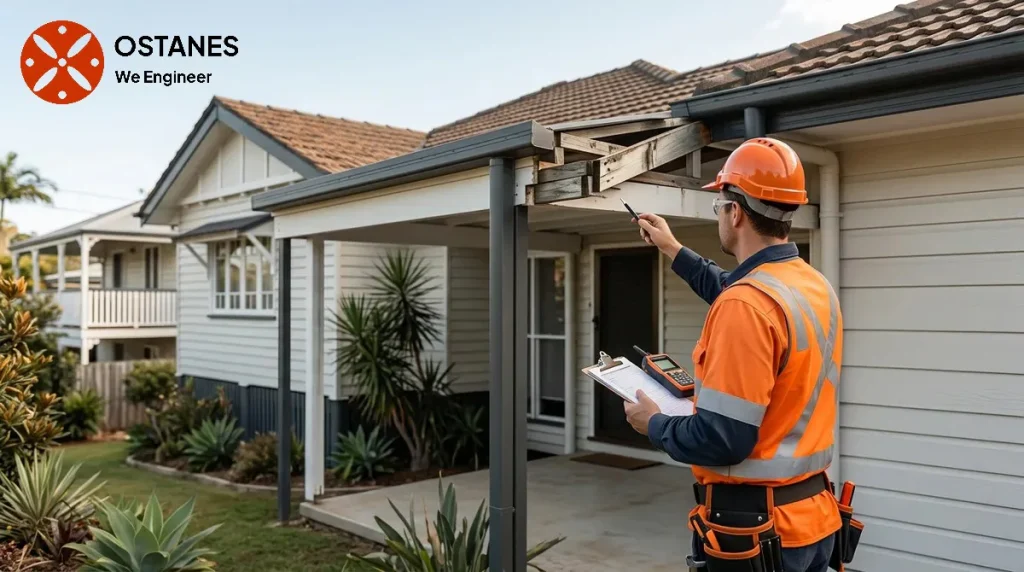
When buying a house with potentially unapproved structures, investigate both approval history and physical condition. A structural assessment can support the relevant pathway but does not itself regularise the work.
Why approval status matters before you buy
The approval status of structures on a property can matter significantly in a real estate transaction. While a structure might appear functional, a lack of documented approval can raise questions that may affect future renovations, insurance coverage, or even resale value. Issues could range from minor sheds built without council notification to more substantial additions like extensions or decks that may not have followed proper building codes and approval processes. Understanding the approval status helps buyers assess potential risks and future obligations.
Planning records and property information
Before purchasing, it is important to gather comprehensive property information. This includes requesting all available property approval records from the seller or agent. These records can typically be sourced through council searches. Buyers should compare any documents provided with the structures physically present on the property. Discrepancies between records and reality may indicate structures built without the necessary approvals. For any specific planning-related claims or requirements, it is advisable to consult the relevant provisions of the Planning Act 2016.
Approval records and structural adequacy are separate checks
Photographs and descriptions alone do not establish the cause or structural significance. A suitably scoped assessment may need a site inspection, records, measurements and further investigation. Structural condition and regulatory approval are different questions.
What unapproved work can affect
Unapproved building work can have various implications that a buyer should investigate. While it does not automatically lead to negative outcomes, potential concerns can arise regarding insurance coverage, as some policies may not cover damage to structures lacking proper approval. Obtaining finance for properties with unapproved work can also sometimes be challenging, depending on the lender’s policies. Future alterations or additions to the property may become more complex, as existing unapproved work could require regularisation before new approvals are granted. Additionally, unapproved structures might affect the property’s resale value and introduce legal risks. For specific statutory consequences related to building work lacking approval, it is necessary to consult the Building Act 1975.
What to check before deciding
When considering a property with unapproved structures, a systematic approach to due diligence is beneficial. This involves several steps:
- Review available records: Request all council and property approval records from the seller or real estate agent. This provides a baseline understanding of what has been formally approved.
- Compare records with the property: Physically examine the property and compare all existing structures against the documents you have received. Note any discrepancies or structures that appear to lack documentation.
- Consult your conveyancer or solicitor: Discuss any identified unapproved structures with your legal representative. They can advise on the legal implications for the transaction, potential liabilities, and contractual clauses that might protect your interests.
- Seek engineering advice: If there are concerns about the structural integrity or safety of any unapproved structure, or if its purpose is critical to your use of the property, engage an RPEQ engineer for an on-site assessment.
If the records do not match the structure
If property records do not align with the physical structures on-site, it means some work may have been completed without the necessary approvals. In such cases, a buyer might need to investigate the pathways available for addressing this unapproved work. This typically involves assessing the specific structure against current building codes and local government requirements. The process often requires expert input to determine feasibility and compliance. It is important to understand that the pathway to regularising unapproved work depends heavily on the nature of the structure, its age, and the applicable regulations at the time of construction and today. Both legal and engineering assessments are crucial to understand the implications and potential steps for formalising such structures.
Can I buy a Queensland house if an extension does not appear in the approval records?
Yes, you can proceed with buying a house, but it introduces a due diligence item. You should obtain legal advice from your conveyancer or solicitor regarding the transaction implications and consider an engineering assessment of the extension’s structural adequacy.
Does a building and pest report confirm that an extension is approved?
No, a standard building and pest report typically focuses on the condition and visible defects of a structure, not its approval status. You will need to check council and property approval records separately to confirm if an extension is approved.
What should I do if the seller cannot provide approval records?
If approval records are unavailable, you should first discuss this with your conveyancer or solicitor for legal advice. They may advise you to request specific searches or consider an engineering assessment if there are structural concerns.
Can unapproved building work receive retrospective approval?
It may be possible for unapproved building work to receive retrospective approval. This pathway typically involves assessing the work against current building codes and requirements, and often requires engaging an engineer and applying to the local council. The outcome is not guaranteed and depends on various factors specific to the property and the work.
Investigate both condition and approval history
An apparently sound addition may still have missing approval records, while an approved structure may have deteriorated or been altered. Obtain available council records, drawings, certificates and seller information through the appropriate channels. Ask the engineer what can be established from the existing work and whether concealed elements need further investigation. A retrospective engineering assessment can support an approval pathway, but the certifier or authority determines the requirements and outcome. Discuss contractual implications with your conveyancer before relying on a seller’s assurance.
Discuss your project with Ostanes Engineering
For help with the structural questions in this guide, discuss retrospective engineering certification with Ostanes Engineering. pre-purchase structural inspection may also be relevant where the assessment or proposal identifies that need. Agree on the scope, evidence and deliverables before commissioning additional work.
Complete the contact form with your property location, the concern or proposed work, safe photographs and any available drawings, soil report or earlier reports. Contact us through the form for a project-specific cost estimate. The team will respond as soon as possible.
Official references and further reading
For the relevant regulatory or maintenance context, consult Queensland approvals and inspections and Queensland buying into a body corporate. These resources complement the project-specific advice described above.
