
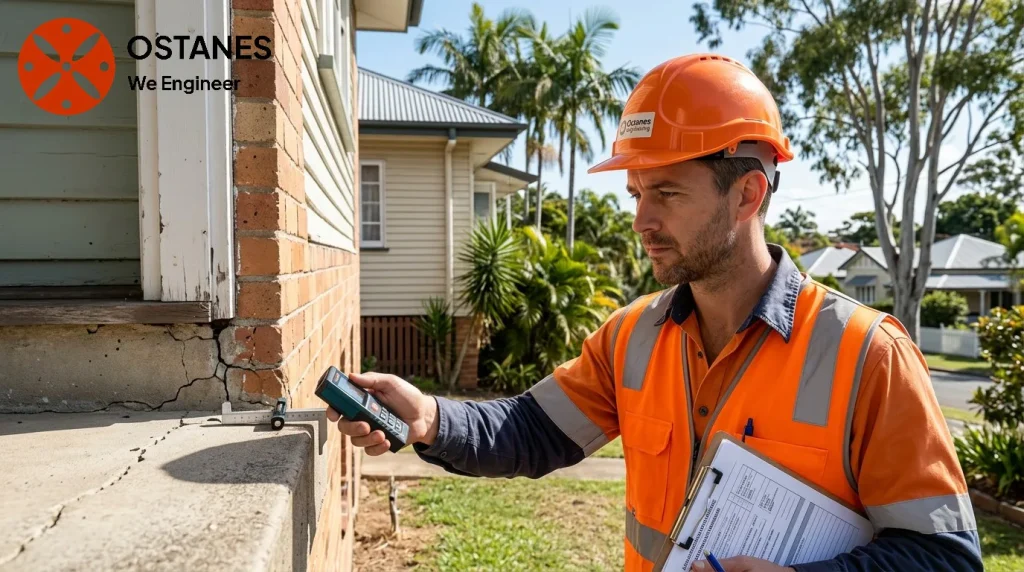
A pre-purchase structural inspection is useful when you need specialist assessment of structural concerns before buying. Agree on the scope, access and report purpose, and coordinate contractual timing with your conveyancer.
What a standard building report may leave unresolved
A standard building report provides a broad overview of a property’s condition, identifying defects and maintenance items. However, its scope is general, and it may highlight potential issues without fully assessing their structural significance. For instance, a report might note cracking or uneven floors, but it typically does not provide a definitive engineering opinion on the cause, the extent of the issue, or its implications for the building’s structural integrity. Such reports often recommend further investigation by a specialist, which points towards the need for an independent structural engineering assessment. These recommendations are designed to ensure buyers receive expert judgment on complex matters that fall outside the general inspector’s scope.
When a buyer should consider structural engineering input
A buyer should consider seeking structural engineering input when specific red flags appear, either during personal inspection or within a general building report. This is particularly relevant when you are making a decision about a significant investment such as buying a house.
Cracks are a common concern. While not all cracks indicate a structural problem, certain types, locations, and patterns of cracking may suggest underlying issues. For example, wider cracks, those that extend through various building materials, or cracks that appear to be widening over time often raise more concern than fine hairline cracks in plaster. Similarly, signs of apparent movement, such as uneven floors, sticking doors or windows, or visible leaning of walls, can indicate foundation issues or other structural shifts.
Suspected unapproved additions are another area where structural input is valuable. If a property has extensions, modifications, or changes that do not appear to align with original plans or council approvals, there could be questions about their structural integrity and compliance. A structural engineer can assess these elements to understand their construction and potential implications.
Questions to ask before proceeding with the purchase
Before making a final decision on a property, particularly after a building report or personal observations raise concerns, it is prudent to ask specific questions. Review the building report carefully for any phrases that suggest structural concerns or recommend specialist input. Note the location and pattern of any visible cracks or signs of movement. Are they isolated to one area, or do they appear throughout the property? Has the seller or agent provided any history of repairs, previous assessments, or known issues related to structural elements? Understanding whether an issue is new, ongoing, or previously addressed can provide valuable context. Ultimately, if any concern remains unresolved regarding the building’s structural integrity, that is when a professional assessment is needed to provide clarity and peace of mind.
Checking the professional context in Queensland
When seeking professional advice regarding property structures in Queensland, it is important to verify the credentials of those providing the assessment. For general building inspections, you can check the licensing status of building contractors and inspectors through the QBCC licensing register. For structural engineering advice, particularly for more complex assessments, you should confirm that the engineer is registered as a Registered Professional Engineer of Queensland (RPEQ). The BPEQ provides guidance on RPEQ registration and regulation, which helps ensure that the advice you receive comes from a qualified and accountable professional. Verifying these details offers assurance that the individual performing the assessment meets the necessary standards for professional practice in Queensland.
Should I get a structural inspection before buying a house?
You should consider a structural inspection if your standard building report flags potential structural concerns, if you observe significant cracks or signs of movement, or if there are suspected unapproved modifications. An on-site engineering assessment is the appropriate next step to clarify the severity and implications of these observations.
Are structural inspections worth it?
The value of a structural inspection depends on the specific property and the level of concern about its condition. If there are unresolved structural questions, an inspection can provide crucial information to help you understand potential risks before committing to a purchase. It helps clarify uncertainties identified by general inspections or personal observations.
When is an engineer inspection before purchase worth considering?
An engineer inspection before purchase is worth considering when you encounter noticeable cracks, signs of building movement like uneven floors, unapproved additions, or when your general building report explicitly recommends a structural engineering assessment due to flagged issues.
Can a standard building report answer structural questions?
A standard building report identifies general defects and maintenance issues and may highlight potential structural concerns. However, it typically does not provide definitive structural engineering judgments. It may indicate an issue and recommend further assessment by a specialist if structural integrity is in question.
What should I do if a report mentions movement or cracking?
If a report mentions movement or cracking, carefully note the exact wording and any descriptions provided. Avoid attempting to assess or repair the issue yourself. The best course of action is to seek an independent structural engineering assessment to understand the nature and implications of the reported movement or cracking.
Set the structural inspection scope before the contract deadline
Provide the general building and pest report, seller disclosures and any drawings before booking. Identify the specific structural concerns rather than assuming every concealed element will be inspected. Confirm access permissions for roof spaces, subfloors and common property, and ask what happens if access is unavailable. Coordinate any contractual deadline with your conveyancer and the inspection provider. A structural report helps inform a purchase decision; it does not replace legal advice, a pest inspection or a complete approval-history search.
Discuss your project with Ostanes Engineering
For help with the structural questions in this guide, discuss pre-purchase structural inspection with Ostanes Engineering. structural inspection may also be relevant where the assessment or proposal identifies that need. Agree on the scope, evidence and deliverables before commissioning additional work.
Complete the contact form with your property location, the concern or proposed work, safe photographs and any available drawings, soil report or earlier reports. Contact us through the form for a project-specific cost estimate. The team will respond as soon as possible.
Official references and further reading
For the relevant regulatory or maintenance context, consult Queensland buying into a body corporate and BPEQ registration. These resources complement the project-specific advice described above.
