
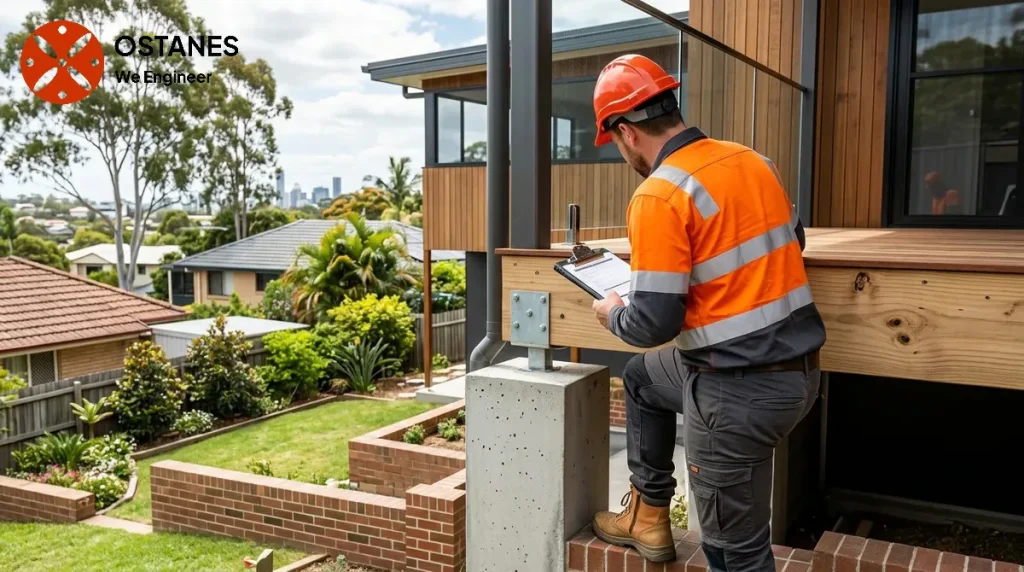
Queensland building requirements combine the applicable NCC framework, state provisions and relevant technical standards. For existing buildings, the approval history and proposed work also matter when identifying the appropriate requirements.
How the Main Sources Relate to Residential Building Work
Homeowners often encounter various technical documents and regulatory bodies when dealing with residential building work. It is helpful to distinguish between a national construction code, a residential footing standard, a Queensland regulatory body, and general site condition guidance. Each serves a different function, contributing to the overall framework without being interchangeable. For instance, the NCC sets out the performance requirements for buildings nationally, while the AS 2870 standard specifically addresses residential slabs and footings. Meanwhile, a body like the QBCC provides regulatory oversight within Queensland, and resources like CSIRO guides offer context on foundation maintenance. Understanding these roles helps homeowners identify which source may be relevant to a particular question or concern.
How the NCC Fits Into Residential Building Work
The requirements for proposed work should be identified with the relevant professionals, considering Queensland provisions and the applicable approval pathway. Assessment of an existing building must also consider its approval history; it is not automatically a test against every current new-building requirement.
Where AS 2870 Fits
AS 2870, known as “Residential Slabs and Footings,” is a key Australian Standard that addresses the design and construction of footings for residential buildings. This standard is particularly relevant in Queensland due to varied soil conditions, including reactive clay soils that can expand and contract with moisture changes. For homeowners, understanding this standard at an introductory level helps in grasping discussions about slab and footing types, as well as how site conditions can influence foundation performance. The AS 2870 standard provides guidelines for engineers and builders, aiming to ensure that residential foundations are designed to withstand anticipated ground movements. Property-specific concerns regarding foundations, soil classification, or potential movement require an on-site RPEQ assessment, as the standard itself does not diagnose individual properties. For detailed information, consult the official AS 2870 standard from Standards Australia.
Understanding the QBCC’s Regulatory Role
The Queensland Building and Construction Commission (QBCC) is the state’s independent regulator for the building and construction industry. Its role includes licensing contractors, providing dispute resolution services, and ensuring compliance with building standards and regulations across Queensland. For homeowners, the QBCC can be a resource for understanding contractor obligations, complaint processes, and certain aspects of building compliance. However, the QBCC’s regulatory functions are distinct from the engineering advice needed for property-specific assessments. Any definitive claims about the QBCC’s current regulatory scope, licensing requirements, complaint handling, or specific compliance outcomes should be verified directly with an official QBCC source.
Climate, Site Conditions and Foundation Context
Local climate and site conditions are significant factors influencing building performance, particularly for foundations. In Queensland, variations in rainfall, temperature, and soil types can impact how a building’s foundations behave over time. For example, understanding general weather and climate data from sources like the Bureau of Meteorology can provide context on regional conditions, while resources such as a foundation maintenance guide from CSIRO can offer general advice on homeowner practices that may influence footing performance. These resources provide general insights into how environmental factors can interact with building structures. It is crucial to use such information for general context only; it cannot be used for property-specific diagnosis, to prescribe maintenance actions, recommend repairs, or establish numeric thresholds for an individual home.
Using Official Sources Without Overgeneralising
When researching Queensland building standards, it’s vital to identify the correct official source for your questions. The National Construction Code (NCC) provides the overarching technical framework, while AS 2870 details specific requirements for residential slabs and footings. The Queensland Building and Construction Commission (QBCC) is the regulatory body overseeing building practices in the state. For broad environmental context, resources like the Bureau of Meteorology offer climate data, and the CSIRO provides general foundation maintenance guidance. Always seek out the current, specific web page from these organisations rather than relying on general summaries, especially for regulatory or technical compliance matters. This ensures you are referencing the most up-to-date and accurate information available.
Is the NCC the same as AS 2870?
No, the NCC and AS 2870 are distinct but related. The National Construction Code (NCC) sets out the performance requirements for all building work in Australia. AS 2870, “Residential Slabs and Footings,” is a specific Australian Standard referenced by the NCC that details technical requirements for the design and construction of residential foundations. The NCC provides the overarching framework, and AS 2870 offers detailed methods for a particular aspect of residential construction.
What does AS 2870 help homeowners understand?
AS 2870 helps homeowners understand the principles behind the design and construction of residential slabs and footings, particularly in relation to various site conditions and soil types. It provides a basis for engineers to design foundations that can accommodate expected ground movements, such as those caused by reactive soils. For homeowners, it offers context for discussions about foundation types and how factors like soil moisture influence a home’s structural behaviour.
What is the QBCC’s role in Queensland residential building work?
The Queensland Building and Construction Commission (QBCC) acts as the state’s regulator for the building industry. Its responsibilities include licensing contractors, enforcing building laws, handling certain consumer complaints, and promoting fair and efficient practices. The QBCC helps ensure that building work in Queensland adheres to relevant standards and regulations. For specific details on their role in a particular situation, homeowners should consult the official QBCC website.
Can a general guide confirm whether a home complies with building standards?
No, a general guide cannot confirm whether a specific home complies with building standards. Compliance is a property-specific determination that requires a professional assessment. This typically involves an inspection by a qualified structural engineer, building certifier, or other relevant professional who can evaluate the building’s current condition against applicable standards and regulations.
Distinguish the code, standards and approval records
The NCC provides a national framework, while Queensland requirements and the applicable approval pathway must also be considered. Australian Standards apply within their relevant scope. For an existing property, keep the approved design and inspection records rather than assuming today’s requirements describe every earlier approval. Queensland’s NCC 2025 adoption is scheduled for 1 May 2027; NCC 2022 remains applicable as at this article’s review date. Ask the certifier and engineer which requirements apply to the particular proposed work and recheck updates before proceeding. Queensland adoption notice
Discuss your project with Ostanes Engineering
For help with the structural questions in this guide, discuss structural engineering design with Ostanes Engineering. structural inspection may also be relevant where the assessment or proposal identifies that need. Agree on the scope, evidence and deliverables before commissioning additional work.
Complete the contact form with your property location, the concern or proposed work, safe photographs and any available drawings, soil report or earlier reports. Contact us through the form for a project-specific cost estimate. The team will respond as soon as possible.
Official references and further reading
For the relevant regulatory or maintenance context, consult Queensland NCC adoption and Queensland inspection roles. These resources complement the project-specific advice described above.
